Filling a home with plants doesn’t have to drain your budget. Wholesale indoor plants offer homeowners and DIY enthusiasts a practical way to green up multiple rooms, create living walls, or refresh an entire space at a fraction of retail prices. Whether you’re redesigning your living room or stocking a sunroom, buying wholesale means more plants per dollar, and that opens up creative possibilities that typical retail shopping simply can’t match. This guide walks you through sourcing, selecting, and caring for wholesale plant orders so you can transform your space without overspending.
Table of Contents
ToggleKey Takeaways
- Wholesale indoor plants cut retail costs in half or more, allowing you to furnish multiple rooms or create large-scale displays like living walls at a fraction of the price.
- Match plants to your home’s light, temperature, and humidity conditions before ordering in bulk to avoid wasting money on unsuitable varieties.
- Most wholesale suppliers require minimum orders of 10–25 units per plant variety and charge $30–$75 for shipping, so plan your order size and total budget carefully.
- Check supplier reviews, plant health guarantees, phytosanitary certifications, and return policies before placing an order to ensure you’re buying from reputable sources.
- Allow new wholesale plants 3–5 days to acclimate after arrival, water them thoroughly, and quarantine them away from existing houseplants for 1–2 weeks to prevent pest infestations.
- Create budget-friendly home décor projects by pairing wholesale indoor plants with quality pots and layered displays that would cost triple the price at retail garden centers.
Why Wholesale Indoor Plants Make Sense for Home Projects
Wholesale pricing typically cuts retail costs in half or more, especially when ordering in bulk. Instead of paying $25 for a single potted Pothos at a garden center, wholesale suppliers let you buy the same plant for $8–$12. That math adds up fast when you’re furnishing multiple rooms or creating a cohesive plant display.
Beyond price, wholesale orders give you consistency. You get matching plant sizes, uniform growth stages, and batch-quality guarantees that retail shelves can’t provide. This matters when you’re designing a curated look, say, a row of identical Monstera Deliciosa plants along a shelf or a gallery wall of same-size hanging planters.
Wholesale buying also opens the door to varieties you won’t find locally. Small retail shops stock bestsellers: wholesale nurseries stock everything from rare variegated specimens to bulk quantities of starter-size plants. For homeowners tackling design projects on a deadline, that inventory depth is invaluable.
Understanding Wholesale Pricing and Bulk Plant Options
Wholesale pricing structures vary, but the basic model is simple: the more you order, the lower the per-unit cost. A single plant might run higher than bulk minimums, but ordering 10 or 20 units usually triggers significant discounts. Most wholesale suppliers have minimum order quantities, often 10 to 25 units per plant variety, though some accept smaller orders at slightly higher per-unit prices.
Bulk options let you choose between starter sizes (3–4 inches), medium specimens (6–8 inches), and larger plants (10–12 inches or more). Starter plants are cheaper and ship more easily but need a few months to fill out. Larger specimens cost more upfront but deliver immediate impact on shelves or in corners.
Understand that wholesale pricing doesn’t always include pots. Many suppliers ship bare-root or in basic nursery containers, so factor in pot costs to your total budget. Shipping bulk orders also costs more than a single plant, typically $30–$75 depending on weight and distance, so plan your order size accordingly. Ask suppliers about their grading standards too: “Premium” grades cost more but arrive in better condition than “Grade A” or “Mixed Grade” options.
Finding Reputable Wholesale Indoor Plant Suppliers
Start with online directories and industry associations. The American Horticulture Society and regional nursery associations publish supplier lists. Platforms like Etsy, Amazon Business, and specialty retailers now offer wholesale-style pricing for smaller orders if you’re not ready to commit to traditional bulk minimums.
For direct wholesale access, search for “plant wholesale distributor near me” or browse grower networks in your region. Major suppliers like Costa Farms, Logee’s Greenhouse, and smaller regional nurseries all offer bulk pricing, many with online ordering. Call ahead to confirm they sell to homeowners, since some wholesalers work only with retailers or landscapers.
Vet any supplier before placing an order. Check reviews on Google, social media, and industry sites. Ask about their plant health guarantee, return policies, and shipping timelines. Reputable suppliers provide detailed photos, clear care instructions, and stand behind damaged shipments. Ask the Experts: Where includes interviews with professional designers who reveal their trusted wholesale sources, a smart starting point for finding dependable growers.
Don’t skip the small print. Confirm phytosanitary certifications (required for interstate shipment), delivery windows, and whether they ship year-round or have seasonal blackouts. Winter shipping can stress tropical plants, so plan accordingly.
Selecting the Right Plants for Your Home and Environment
Before placing a bulk order, assess your home’s light, temperature, and humidity. This single step prevents the nightmare of receiving 20 plants and realizing half of them need bright indirect light but your hallway is dark.
Match plant needs to your spaces. North-facing rooms stay dim: stock them with tolerant varieties like Pothos, Philodendron, or Snake Plants. South and west windows get intense afternoon sun: consider Succulents, Cacti, or sun-loving Dracaenas. 50 Most Common House Plants With Pictures catalogs reliable options for nearly every condition.
Low Light House Plants: Transform Your Space with Effortless Greenery is another practical resource if you’re dealing with challenging indoor conditions. Check whether your order needs consistent warmth (tropical varieties) or can tolerate seasonal temperature swings (many hardy houseplants).
Think about maintenance too. Bulk orders demand consistent care. If you travel frequently or forget to water, choose drought-tolerant plants. If you work long hours with dry office heating, humidity-loving plants will struggle, unless you’re willing to invest in a humidifier for plants or misting routine.
Request plant certifications or inspection reports. Suppliers should confirm plants are pest- and disease-free. Ask about pest treatment protocols, especially if you’re bringing outdoor-grown or imports into your home.
Logistics and Care Tips for Wholesale Plant Orders
Shipping stresses plants. When your wholesale order arrives, don’t panic if foliage looks wilted or pale, this is normal shock. Unbox plants immediately and place them in a stable environment (consistent temperature, moderate light) for 3–5 days before displaying them.
Water them once they’ve acclimated. Most wholesale plants arrive slightly dry to reduce shipping weight and mold risk. Water thoroughly, let excess drain, and set them aside from harsh light for a day or two.
Inspect each plant for pests, root rot, or damage. If any arrive compromised, photograph them and contact the supplier within 24–48 hours, most honor guarantees during this window. Quarantine new plants away from existing houseplants for a week or two: pest infestations spread fast in closed homes.
As plants settle in, establish a watering schedule. Wholesale plants typically need more frequent watering than mature retail specimens because they’re in smaller containers and actively growing. Check soil moisture 2–3 times per week. Most indoor plants prefer soil that dries slightly between waterings: soggy roots invite root rot.
Monitor light and humidity. If plants look pale or leggy within weeks, they need brighter light. If leaves yellow or drop, check for overwatering or cold drafts. Moving plants 2–3 feet closer to a window often revives struggling specimens.
Budget-Friendly Ideas for Using Wholesale Plants in Home Decor
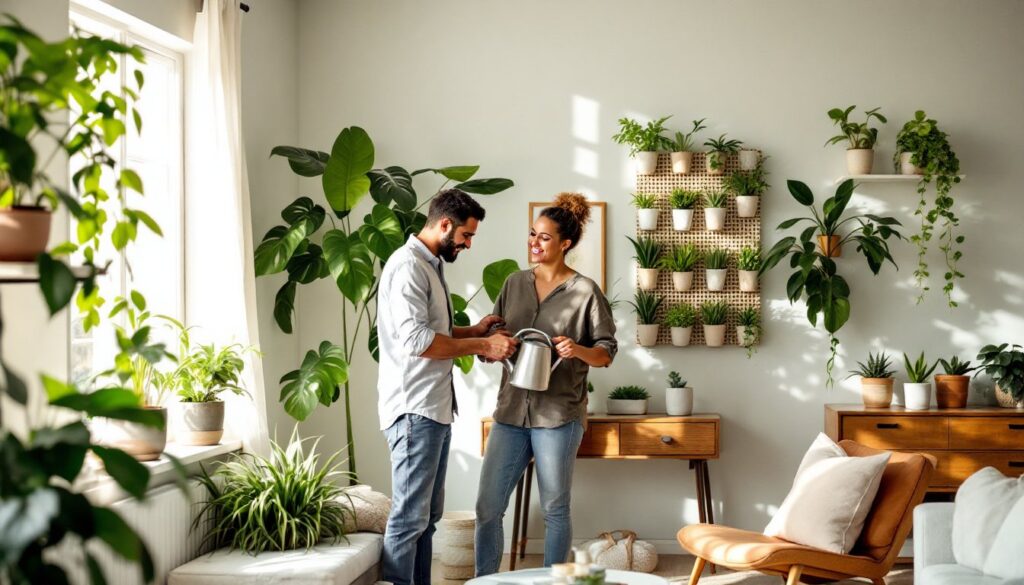
Wholesale bulk buying unlocks creative decor strategies impossible on a typical retail budget. Create a living wall by buying 15–20 small starter plants and wall-mounting them in a grid pattern using simple clips or holders. Entire installations that might cost $400 at a designer shop run $80–$120 wholesale.
Mix plant heights and textures to build layered displays. Pair trailing tropical house plants like Pothos with upright specimens like Dracaena or Monstera. Group odd numbers (3, 5, 7 plants) together for visual balance. Place taller plants behind shorter ones on shelves or plant stands.
Use wholesale plants to fill empty corners. Five matching plants of the same variety, staggered in increasingly larger pots, create an eye-catching focal point for under $40 wholesale. The same display retail would cost triple.
Think about long-term care before investing. Essential Guide to Indoor covers common problems that bulk collections face. Staying ahead of issues keeps your investment healthy. The Spruce and Better Homes & Gardens offer seasonal decor ideas that incorporate plants, use those for inspiration on how to style your wholesale haul.
Consider planters too. Plant Pots: Discover the explains how the right container elevates both plant health and aesthetics. Buying wholesale plants means you have budget flexibility to invest in quality pots that complete the look without very costly overall.
Conclusion
Wholesale indoor plants democratize home greening. You get premium quality, endless variety, and design flexibility at prices that actually work for homeowners. Start small if you’re new to bulk buying, order one variety in a 10-pack to test the supplier and process. Once you’re confident, scale up to multiple varieties and watch your space transform. The investment pays off in impact, consistency, and the simple joy of surrounding yourself with thriving plants.