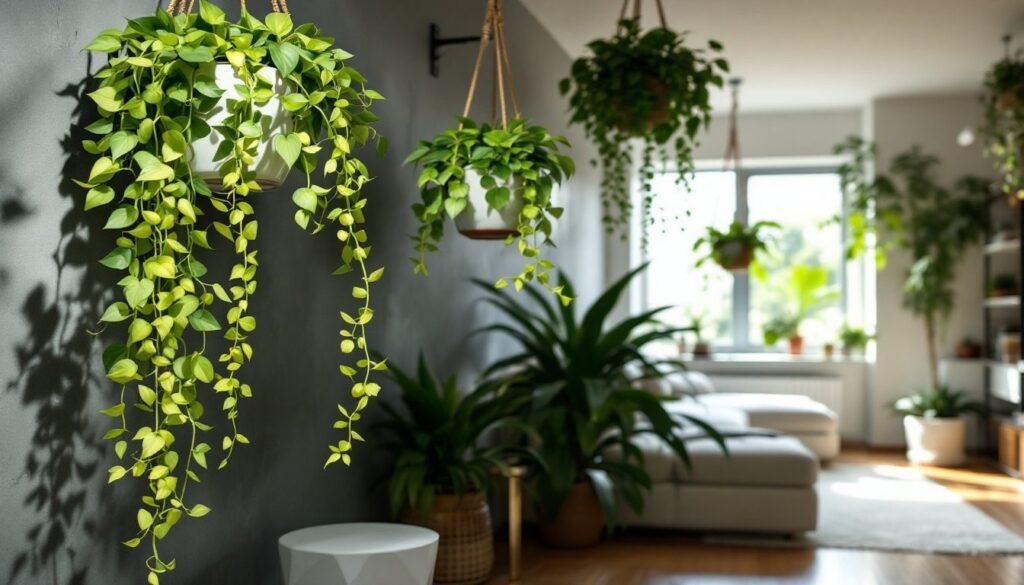
Hanging plants are a game-changer for homeowners looking to add greenery without eating into floor space. They soften hard architectural lines, draw the eye upward, and create layered depth in any room. But hanging <a href="https://scolarfineart.com/expensive-house-plants/”>house plants do more than fill dead space, they improve air quality, reduce stress, and give even small apartments a jungle-like vibe. Whether you’re working with a bright sunroom or a cozy corner with minimal light, there’s a trailing plant that fits the bill. The key to success isn’t just picking the right plant: it’s understanding the mounting hardware, light conditions, and care routines that keep them thriving. This guide walks through everything you need to know to hang plants safely and beautifully in your home.
Table of Contents
ToggleKey Takeaways
- Hanging house plants maximize vertical space while improving air quality, reducing stress, and adding visual depth without cluttering floors—making them ideal for small apartments and any room lacking surface area.
- Choose hanging plants based on your light conditions: pothos and philodendrons excel in low light, while string of pearls, hoya, and tradescantia thrive in bright indirect light.
- Secure hanging plants safely by using heavy-duty anchors rated for 25–50 pounds, installing at least two anchors per basket, and always checking ceiling type before drilling to prevent costly damage.
- Water hanging plants when the top inch of soil feels dry, adjust frequency by season (every 3–5 days in summer, every 7–10 days in winter), and mist foliage to maintain humidity for healthier growth.
- Rotate hanging plants every few weeks, pinch back fast-growing species to encourage bushier cascades, and inspect regularly for pests that hide in dense foliage to keep your installation thriving year-round.
Why Hanging Plants Elevate Your Interior Design
Hanging plants solve a fundamental design challenge: how to add visual interest without cluttering surfaces. They work in studio apartments where shelf space is premium, in homes with hardwood floors you want to keep clear, and in rooms that feel top-heavy with furniture but lacking overhead presence.
Plants create vertical flow. A trailing pothos or string of pearls draws the eye from the ceiling down a wall, making even modest room heights feel grander. Hanging displays also allow you to experiment with layering, staggering plants at different heights creates rhythm and prevents the monotonous “grid” feeling of plants all lined up on a single shelf. You can hang one specimen plant as a focal point or cluster three to five smaller hangers for a more dramatic installation.
There’s also a practical upside. Kids and pets can’t knock over what’s suspended above their heads. Hanging plants give you protection while maximizing greenery. And because they’re elevated and often cascading, they’re far more visible than floor-level pots, making any room feel more intentional and curated. The soft texture of trailing foliage (think viney house plants like philodendrons or string-of-hearts) creates organic contrast against geometric furniture and hard walls, so your space feels balanced and alive rather than sterile.
Best Hanging Plants for Different Light Conditions
Light is the one non-negotiable variable. A plant suited to low light will stretch and pale in a sunny window, while a sun-lover will burn or wither in shade. Knowing your light situation before you buy saves frustration and dead plants.
Low-Light Champions
If your hanging spot gets no direct sun, maybe it’s across the room from a window or tucked into a hallway, stick with proven low-light tolerators. Pothos (also called devil’s ivy) is nearly indestructible. It’ll trail 10 feet or longer with minimal fussing, and it actually prefers indirect light. Philodendrons (both the heartleaf and split-leaf varieties) are equally easygoing and handle neglect well.
Satin pothos has a slightly softer, more delicate appearance than standard pothos but the same hardy temperament. ZZ plants grow slower in low light but remain compact and glossy, perfect for a hanging basket where you don’t want explosive growth. These low light house plants won’t win any awards for dramatic trailing, but they’ll stay alive and look decent even in dim hallways or bathrooms.
Bright Indirect Light Favorites
Most homes have at least one spot with bright, indirect light, a north or east-facing window, or a spot a few feet back from a west-facing wall. This is where hanging plants really shine. String of pearls is the darling of hanging baskets: lime-green, pea-sized leaves cascade like beads, and they’re forgiving once established. Hoya (also called wax plant) produces gorgeous waxy flowers and long trailing stems: they’re slow-growing but rewarding.
Burro’s tail offers thick, succulent leaves that hang nearly vertically for a totally different aesthetic. Tradescantia (spiderwort or wandering dew) comes in solid green or variegated purple, and it grows quickly, filling a basket fast. Scindapsus pictus (satin pothos’s fancier cousin with white spots) adds visual interest without demanding bright, direct sun.
For something with fragrance and flowers, hanging jasmine or hoya varieties thrive in bright indirect light. Resources like The Spruce and Better Homes & Gardens have excellent breakdowns of light requirements for specific species if you’re researching beyond these common picks.
Essential Installation Tips for Safe Hanging Plants
Installing a hanging plant safely means checking your ceiling and anchors before you ever touch a drill. A water-saturated hanging basket can weigh 15–30 pounds, so the hardware matters.
Choosing the Right Hangers and Hardware
Your anchor choice depends on your ceiling type. Drywall ceilings need heavy-duty toggle bolts or molly bolts rated for at least 25–50 pounds per anchor. Avoid cheap plastic anchors, they fail fast. Install at least two anchors per hanging basket, spaced 12–16 inches apart if possible, so weight distributes evenly.
If you have a plaster ceiling (common in older homes), toggle bolts still work, but plaster is brittle: drill slowly and carefully. Popcorn ceilings require special care, they’re fragile, so a professional installer or extra caution is worth it.
For exposed wood joists or beams, you’re golden. Drive a lag bolt or wood screw (¼-inch minimum diameter) directly into the wood. Joists are typically 16 inches on center, so plan your hangers accordingly. If you’re unsure of joist location, a studfinder designed for joists (not just studs) makes quick work of locating them.
Use a ceiling hook (also called an eye bolt or screw hook) rated for 50 pounds minimum. Cheaper hooks bend under water-logged weight. A sturdy macramé hanger or adjustable metal hanger holds the pot and absorbs some flex. Never skimp here, a falling plant damages ceilings, floors, furniture, and could hurt someone below.
Before drilling any holes, locate pipes and electrical lines using a stud-and-wire detector, and if you’re in a rental, check with your landlord. If your ceiling is plaster or unknown, or if uncertainty creeps in, call a handyperson or contractor to install anchors, it’s a $50–100 investment that beats a ceiling repair. Measure your ceiling height too: hanging baskets need at least 12–18 inches clearance from the top of the plant to the ceiling to allow for growth and air circulation.
Watering and Care Best Practices
Watering hanging plants is trickier than watering pots on tables because water drains faster from hanging baskets, especially in warm or low-humidity seasons. Most hanging plants prefer soil that dries slightly between waterings rather than staying constantly moist.
Check soil moisture by pushing a finger 1 inch deep. If it feels dry, water thoroughly until it drains from holes at the bottom. Underwatering kills more plants than overwatering, so err on the side of consistency. In summer, you may water every 3–5 days: in winter, every 7–10 days. Humidity matters, low winter humidity stresses many plants, so misting foliage (especially for tropicals and ferns) helps. A pebble tray (a shallow plate with water and pebbles beneath the pot) raises local humidity without waterlogging roots.
Light exposure dictates feeding. Low-light plants grow slowly and need less nitrogen: feed every 2–3 months during spring and summer, then taper off in fall and winter. Bright-light plants grow faster and can take monthly feeding. Use a balanced fertilizer (like a 10-10-10 formula) at quarter to half strength to avoid salt burn.
Rotate hanging plants every few weeks so growth stays even and all sides get light. Dust large smooth-leaved plants (like philodendrons) monthly with a soft cloth to maximize photosynthesis. Pinch back tips of fast-growers like tradescantia and pothos every month or two to encourage bushier, fuller cascades. Check plant pots for proper drainage holes, without them, water pools and roots rot. If a pot lacks drainage, repot the plant into one that does, or nestle the growing pot into a larger decorative cache pot with drainage holes.
Pests can hide in the dense foliage of hanging plants. Inspect new plants before hanging them indoors, and quarantine in a bathroom or isolated area for a week if you’re unsure. Tiny spider mites and mealybugs love warm, dry air. If you spot sticky residue, tiny webbing, or cottony clusters, spray affected foliage with neem oil or insecticidal soap according to label directions. Ventilation and humidity control (misting) prevent many pest problems before they start.
Seasonal adjustments matter too. In winter, most plants slow growth, so reduce watering and withhold fertilizer. Spring is repotting season, if a plant outgrows its hanging basket (roots poking out of drainage holes, soil drying in a day), bump it up one pot size and refresh the soil.
Your Hanging Plant Setup Starts With Planning
Hanging plants transform a room when hardware, light, and care align. Start by identifying your ceiling type and installing solid anchors, choose plants matched to your light conditions, and commit to a simple watering routine. There’s no shame in starting with an easy win, pothos and philodendrons make hanging plant parenthood forgiving. Resources like Gardenista offer fresh design inspiration if you’re envisioning a layered jungle aesthetic. Once your first plant thrives, adding more becomes second nature. The goal isn’t perfection: it’s breathing life into the vertical space you’ve been ignoring.