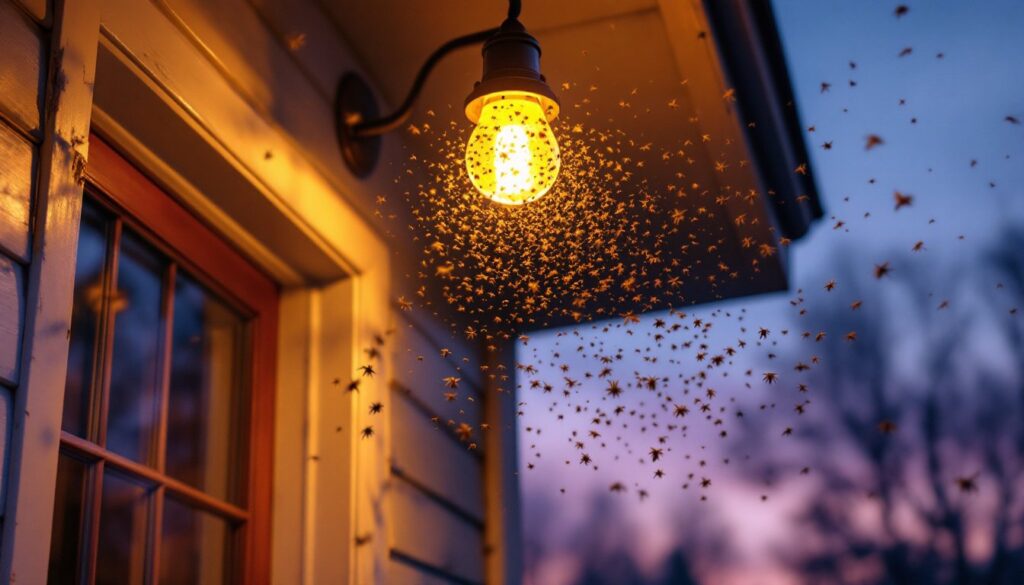
You flip on the porch light at dusk, and within minutes, a cloud of tiny flying bugs swarms around it, gnats, fruit flies, or something equally annoying. If you’re a homeowner dealing with this problem, you’re not alone. These insects invade homes year-round, but summer brings peak activity. The good news? Understanding what’s attracting them and why they behave this way is the first step to reclaiming your space. This guide walks you through identifying the culprits, stopping the invasion, and keeping your home bug-free without relying on chemical overkill.
Table of Contents
ToggleKey Takeaways
- Tiny flying bugs in house attracted to light follow phototaxis, an instinctual navigation behavior that treats artificial lights as escape routes or feeding opportunities.
- Fruit flies, gnats, drain flies, and no-see-ums each have different breeding grounds and preferences, so identifying the specific pest helps target elimination at the source rather than just swatting stragglers.
- Eliminating breeding grounds indoors is essential: remove overripe fruit, clean under appliances, dry out houseplant soil, and fix moisture issues like dripping faucets and damp bathrooms.
- Yellow or amber ‘bug lights’ repel many insects better than white or blue bulbs, making them an energy-efficient way to reduce the attraction of outdoor lighting.
- Sealing entry points with caulk, upgrading screens to 16–20 mesh per inch, and maintaining clear vents prevents new bugs from entering while sticky traps and apple cider vinegar traps control existing populations.
- Consistent sanitation—taking out trash daily, washing dishes immediately, and storing ripe fruit in the refrigerator—eliminates 90% of fruit fly problems and prevents long-term re-infestation.
Common Tiny Flying Bugs That Invade Homes
Several species dominate the “tiny flying bug” category, and identifying which one you’re dealing with helps you target your response effectively.
Fruit flies are the most common indoor culprit. They’re tan or brownish, roughly 1/8 inch long, and breed explosively in fermenting matter, overripe fruit, spilled juice, compost bins, and drain slime. A single female can lay hundreds of eggs in a few days, so an infestation can spiral fast.
Gnats (fungus gnats or other small species) are similarly sized but darker and thinner-bodied. They’re attracted to moisture, decaying plant matter, and the organic buildup in soil. If you’ve got houseplants sitting in constantly damp soil, gnats often follow. They’re less interested in food waste than fruit flies and more focused on damaging roots and soil fungus.
No-see-ums (biting midges) are even tinier, barely visible to the naked eye, and they bite. Unlike fruit flies and gnats, they’re primarily outdoor pests that slip indoors through screens or open doors. They’re most active at dawn and dusk.
Drain flies (moth flies) live in drain pipes and sewage lines, feeding on the organic sludge that builds up. They’re small, fuzzy, and often mistaken for gnats, but they congregate around sinks and shower drains specifically.
Each species has different breeding grounds and food preferences, so knowing which bug you’re fighting means you can stop the problem at the source instead of just swatting at stragglers. Look closely with a magnifying glass or phone camera to nail down the identification.
Why These Bugs Are So Attracted to Your Lights
Understanding Phototaxis and Bug Behavior
Bugs aren’t drawn to light because they think it’s food, they’re following an instinctual navigation system that goes back millions of years. This behavior is called phototaxis: the tendency of organisms to move toward or away from light.
For most flying insects, light signals escape routes. In nature, the brightest direction is usually the open sky or the edge of a cave, forest clearing, or water surface. Their brains are hard-wired to treat light as a path to safety or new feeding territory. Your porch light, kitchen window, and bathroom fixtures mimic these natural light sources, so insects treat them like a highway to opportunity.
Here’s the catch: once they reach the light, they don’t find food or escape, they just keep circling, getting exhausted and disoriented. Meanwhile, your lit areas also attract the other things bugs want: warmth, moisture, and shelter. A light fixture near food scraps, a damp windowsill, or plants becomes a five-star resort.
Not all insects are equally attracted to light. Fruit flies and drain flies are moderately attracted, while gnats show a weaker response. No-see-ums, on the other hand, are strongly photo-attracted. Understanding this difference is useful when you’re planning prevention strategies. A yellow or amber light (which has longer wavelengths that many insects find less visible) repels some species better than white or blue lights.
Quick Prevention Tips to Reduce Indoor Infestations
Prevention beats treatment every time, and it starts before bugs set foot (or wing) in your home.
Seal entry points. Caulk gaps around windows and doors, repair or upgrade screens (look for fine mesh rated 16 or 20 per inch for maximum insect exclusion), and weatherstrip door frames. Tiny bugs need only pinhead-sized openings. Don’t forget exhaust vents, weep holes, and gaps where plumbing enters walls.
Eliminate breeding grounds indoors. This is the nuclear option for fruit flies and gnats. Don’t leave fruit on counters longer than a day or two. Rinse cans and bottles before recycling. Clean under and behind appliances where old food debris accumulates, this is where infestations hide and breed. For houseplants, allow soil to dry between waterings (gnats hate dry conditions), and repot plants using fresh potting mix if the current soil smells sour or looks slimy.
Switch to bug-resistant lighting. Replace white or blue bulbs with amber or yellow “bug lights” on outdoor fixtures, especially near doors and windows. LED versions use minimal energy, so you can leave them on longer without guilt. Indoors, keeping lights off except when needed (closing curtains, turning off fixtures you’re not using) reduces the beacon effect.
Manage moisture. Fix dripping faucets immediately, keep bathrooms well-ventilated (run exhaust fans for 20-30 minutes after showers), and don’t let standing water sit in plant saucers or pet bowls. Drain flies specifically breed in moist pipe environments, so a dry sink is a drain fly’s worst nightmare.
Keep screens and vents clear. Debris-clogged window screens and exhaust vents become bottlenecks where bugs pile up and squeeze through. Vacuum or wipe screens monthly and clear lint from dryer vents.
Elimination Methods That Actually Work
Once bugs have invaded, you need to act fast. The key is targeting both adult insects and their breeding sites, killing adults alone is like bailing water from a boat with a hole in the hull.
For fruit flies and gnats:
Set up sticky traps (small cards or strips coated with adhesive) near lights, windowsills, and houseplants. Replace them every few days. These are non-toxic and help you gauge population size. Indoors, methods to eliminate gnats and fruit flies include implementing practical techniques for lasting removal, such as cleaning drains with a brush and enzymatic drain cleaner, sanitizing garbage disposals, and removing rotting fruits and vegetables immediately.
Apple cider vinegar traps work surprisingly well. Fill a small bowl with vinegar, add a drop of dish soap (breaks surface tension), and place it on the counter. Fruit flies immerse and drown. Replace daily until the traps stop catching bugs.
For drain flies:
Flush drain pipes with boiling water, then pour drain cleaner (enzymatic or chemical) and let it sit overnight. Repeat weekly. If the problem persists, snake the drain or call a plumber. Drain flies breed in organic film inside pipes, and surface cleaning won’t touch them.
For heavy infestations:
Spray insecticides labeled for flying insects (pyrethrins or pyrethroids are common active ingredients). Apply in the evening when insects are least active. Wear gloves, a mask, and ensure good ventilation. Follow label directions exactly, more isn’t better, and overuse can harm indoor air quality. If you’re uncomfortable applying chemicals, hire a licensed pest control operator.
Sanitation is non-negotiable. Before any trap or spray, remove the food source. Take out trash, compost, and recycling daily. Wash dishes immediately. Wipe down counters and stovetops. Gnats and fruit flies can’t sustain populations without a food supply, no matter how many traps you set.
Long-Term Solutions for a Bug-Free Home
One-off treatments fail without ongoing maintenance. Think of bug prevention like home maintenance: consistent, unsexy, and it pays off.
Monitor continuously. Leave one or two sticky traps in high-risk areas (kitchen, bathrooms, near plants) year-round. They’re inexpensive and give you an early warning sign. If you catch two or three gnats on a trap in a week, you’ve got a breeding problem brewing, time to investigate.
Maintain landscaping and outdoor spaces. Bugs congregate in brush, tall grass, and standing water near your home’s exterior. Keep gutters clean (clogged gutters hold standing water), trim vegetation back from siding and windows, and grade soil so water drains away from the foundation. These habits reduce the outdoor bug reservoir that tries to move indoors.
**Upgrade your home’s “bug defense.” ** Install door sweeps on exterior doors, caulk foundation cracks, and seal gaps around utility lines. When you’re replacing windows, choose models with good-fitting screens and consider designs with integral screens you can’t accidentally leave open. These aren’t glamorous upgrades, but they’re rock-solid pest prevention. Resources like Family Handyman offer detailed sealing and weatherization tutorials if you want to tackle this yourself.
Control humidity indoors. Use a dehumidifier in basements and crawlspaces (keep humidity below 50%). Gnats and drain flies thrive in damp environments. Conversely, don’t overdry the air in living spaces, that’s uncomfortable and bad for wood furniture, but do ensure bathrooms and kitchens have functional exhaust vents and aren’t perpetually steamy.
Adopt a zero-tolerance food waste policy. This sounds extreme, but it’s the fastest route to a bug-free kitchen. Compost food scraps in a sealed outdoor bin (not an open pile near the house). Store ripe fruit in the refrigerator. Don’t let dishes sit overnight. This habit alone eliminates 90% of fruit fly problems in most homes.
Conclusion
Tiny flying bugs attracted to light are a nuisance, but they’re not inevitable. Identify the culprit, eliminate its breeding grounds, seal entry points, and stick with consistent prevention habits. You won’t achieve a zero-bug home, they’re part of outdoor life, but you can keep indoor populations so low they’re barely noticeable. The investment in screening, caulking, and sanitation pays off year after year in peace and comfort.