Replacing old windows is one of those home improvement projects that sits on the to-do list for years. Maybe they’re drafty, stuck shut, or the frames are rotting. Maybe your energy bills keep climbing. Or maybe you’re just tired of single-pane windows rattling when the wind picks up. Window replacement isn’t glamorous, but it’s one of the few upgrades that genuinely pays you back through lower utility costs, better comfort, and a stronger home. This guide walks you through the why, the cost reality, what your options are, and the honest truth about whether you should tackle this yourself or call in a pro.
Table of Contents
ToggleKey Takeaways
- Window replacement reduces heating and cooling costs by 10–25% while improving comfort, structural integrity, and home security through modern Low-E glass and insulated frames.
- Full-house window replacement typically costs $4,500–$20,000 in materials plus $100–$300 per window in labor, with most homeowners breaking even in 7–10 years through energy savings.
- Vinyl windows offer the best value for moderate climates, while fiberglass and composite frames excel in extreme temperatures and historic home renovations despite higher upfront costs.
- Professional installation is strongly recommended for most projects, as misinstalled windows are the top cause of water damage and structural rot—a costly mistake that warranty coverage can prevent.
- DIY window replacement is only realistic for 1–2 accessible ground-floor windows if you have carpentry experience and understand proper flashing and sealing techniques.
Why Replace Your House Windows?
Old windows leak heat and cool air in equal measure. Single-pane or aging double-pane windows have lost their seal, meaning the insulating gas between panes has escaped. You notice this as condensation inside the glass or just feeling the cold radiating from the frame on winter mornings.
Beyond comfort, failing windows compromise your home’s structural integrity. Water infiltration around rotted frames leads to mold, damaged studs, and drywall repair bills that dwarf the cost of new windows. Modern replacement windows use Low-E glass (coated to reflect heat while allowing light through) and insulated frames made from vinyl, fiberglass, or composite materials. These reduce heating and cooling load by 10–25%, depending on your climate and existing condition.
Security and noise reduction matter too. New windows lock properly, seal tightly, and tempered glass is harder to break. If you live near traffic or an airport, upgraded windows with laminated or acoustic glass make a measurable difference in interior quiet.
Replacement windows also boost curb appeal and resale value. Potential buyers see modern, clean frames and intact glazing as a sign the home’s been maintained. Energy-efficient windows and proper installation can recoup 70–80% of replacement costs at resale in many markets.
Understanding Window Replacement Costs and ROI
Window replacement isn’t cheap, but the cost varies wildly depending on window type, size, and installation. A single standard double-hung vinyl window runs $300–$800 for the unit alone. A mid-range fiberglass or composite frame costs $600–$1,200. If you’re replacing a whole-house set of 15–20 windows, you’re looking at $4,500–$20,000 in materials, plus labor.
Installation labor typically ranges from $100–$300 per window, depending on accessibility, existing frame condition, and regional rates. A professional crew can install 5–8 windows per day. That $100 vinyl window becomes a $250–$350 job once labor is factored in.
Before committing, use a cost estimator to compare pricing based on your zip code and window specifications. This gives you a realistic baseline rather than guessing.
Factors That Affect Price
Material choice is the biggest lever. Vinyl is the budget option and performs well in most climates: expect 20–25 year lifespan. Fiberglass and composite frames cost more upfront but last 30+ years and handle extreme temperature swings better. Wood frames are attractive but require maintenance and aren’t cost-effective for most homeowners unless restoring a historic home.
Window style impacts price. Double-hung (the traditional up-and-down design) is cheapest. Casement (hinged like a door) and awning windows cost more because the operating mechanism is more complex. Fixed or picture windows are less expensive because they don’t open.
Glass options drive cost too. Low-E coating adds $50–$100 per window but saves money on heating and cooling. Argon gas fill between panes (vs. air) improves insulation for another $30–$50 per window. Triple-pane glass in cold climates can save 10–15% on heating over double-pane, but costs proportionally more.
Size and accessibility matter. Large windows cost more per square foot. Windows on upper stories or above sloped roofs require scaffolding or lift rental, adding $500–$2,000 to a job. Existing frame rot that requires structural repair before installation also increases labor and material costs.
Return on investment is solid but not instant. Energy savings average $100–$300 per year per window set, depending on climate and how much you were spending on heating/cooling before. Most homeowners break even in 7–10 years. The real payoff is comfort and avoiding bigger water damage down the road.
Types of Replacement Windows for Different Homes
Replacement windows come in several varieties, and the right choice depends on your home’s architecture, climate, and budget.
Vinyl windows dominate the market for good reason. They’re affordable, require no painting or staining, don’t rot, and insulate well enough for most climates. Downsides: they can warp in extreme heat (problematic in desert climates) and aren’t as rigid as other materials. They’re ideal for moderate climates and budget-conscious homeowners.
Fiberglass windows are stronger and more dimensionally stable than vinyl, handling temperature swings without warping. They’re paintable, so they fit historic homes better. Cost is 30–50% higher than vinyl, but lifespan is longer and they perform excellently in high-sun or cold climates.
Composite frames (usually vinyl exterior with wood interior) blend aesthetics and durability. They cost more than vinyl but less than solid fiberglass. They’re popular in upscale renovations where interior trim visibility matters.
Aluminum frames are rare in replacement windows these days because they’re poor insulators, cold conducts right through the frame. Older homes sometimes have aluminum, and replacing them with anything else is an upgrade.
Materials and Frame Options
Double-hung windows are the standard for most homes. Two sashes move up and down, and modern designs tilt inward for easy cleaning. They fit most rough openings and are simple to operate.
Casement windows (hinged on the side, crank open like a door) are popular in kitchens and bathrooms. They open fully, offer better ventilation, and look sleek. They’re pricier and require more care if hardware fails.
Sliding windows (horizontal, like a sliding door) are common in modern homes and easy to operate but offer less weather-stripping surface than double-hung, so they’re slightly less efficient. They’re also harder to clean if upper panes don’t tilt.
Picture or fixed windows don’t open. They’re the cheapest option and great for accent walls, but they don’t provide ventilation. Often combined with operable units in banks.
Awning and hopper windows hinge at the top (awning) or bottom (hopper) and are excellent in basements or when you want ventilation without rain pouring in. They’re specialty items and usually cost more.
When replacing windows, stick to the same style your home started with unless you’re doing a full exterior remodel. Mismatched window types look jarring and can affect resale appeal. For guidance on period-appropriate styles, This Old House’s window selection guide is a solid reference.
When to DIY Versus Hiring a Professional
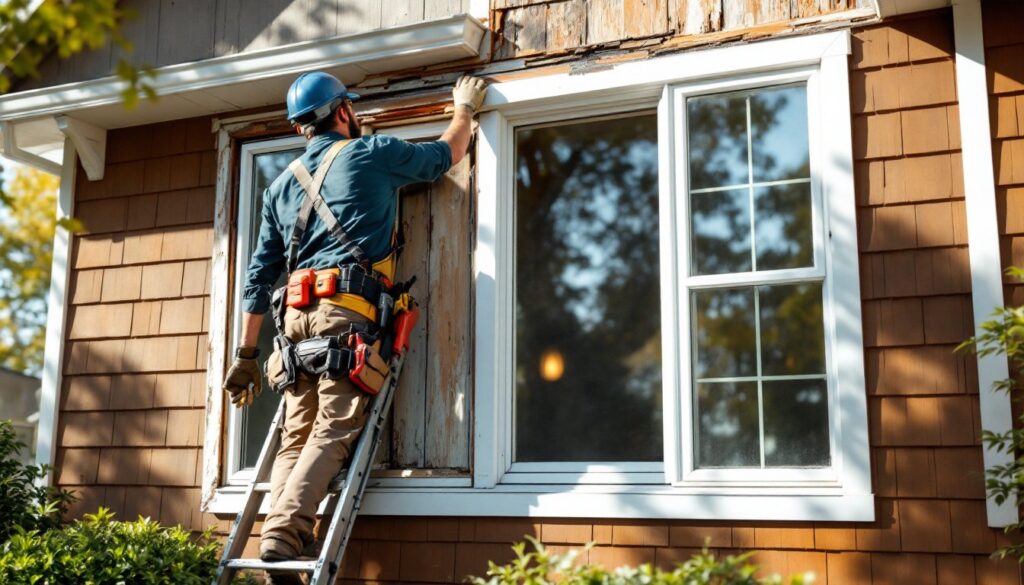
Window installation looks straightforward until you’re three feet up on a ladder with caulk gun in one hand and a 50-pound sash in the other. Honest assessment: this is a job where professional labor pays for itself through proper sealing, flashing, and avoiding water damage.
DIY is realistic if:
- You’re replacing 1–2 windows in accessible locations (ground floor, no pitch)
- You have experience with basic carpentry and understand building science basics (flashing, sealant, air barriers)
- You own or can rent a power drill, caulk gun, utility knife, level, and tape measure
- You’re comfortable working at heights with proper fall protection
- The existing frame is in good condition (no rot or structural damage requiring repair)
Hire a professional if:
- You’re replacing more than 3–4 windows or any on upper stories
- Existing frames show rot, mold, or structural issues
- Windows are in tight spaces, unusual sizes, or historic frames
- Your home has stucco, brick, or stone exterior (different flashing and sealant methods apply)
- You’re not confident in your caulking and sealing technique (water infiltration is expensive to fix later)
Misinstalled windows are the top reason for water damage in walls. Poor flashing, inadequate sealant, or incorrect shim placement lets water behind the frame, rotting the wall framing before you notice it. Professional installers carry insurance and warranty their work.
If you do DIY, follow the manufacturer’s installation instructions to the letter. Modern replacement windows are often nail-fin designs with a flange that overlaps the exterior sheathing. This flange must be sealed and flashed correctly or you’re inviting water into your wall cavity. Use exterior-grade silicone caulk (not acrylic) or polyurethane foam sealant, as they remain flexible and don’t crack as the house settles. Interior trim can hide sloppy exterior work temporarily, but moisture always finds a way in eventually.
Professional installation through established contractors ensures proper building science and warranty coverage. In most cases, it’s the smarter investment.
Conclusion
Window replacement is a smart investment that improves comfort, reduces energy bills, and protects your home from water damage. The upfront cost is real, but the payoff compounds over years through lower utility bills and avoided structural repairs. Choose materials suited to your climate, stick with proven window styles, and be honest about whether you have the skills and time to install correctly. When in doubt, hire a professional. Your future self will thank you for avoiding the mold, water stains, and regret that come with a botched installation.