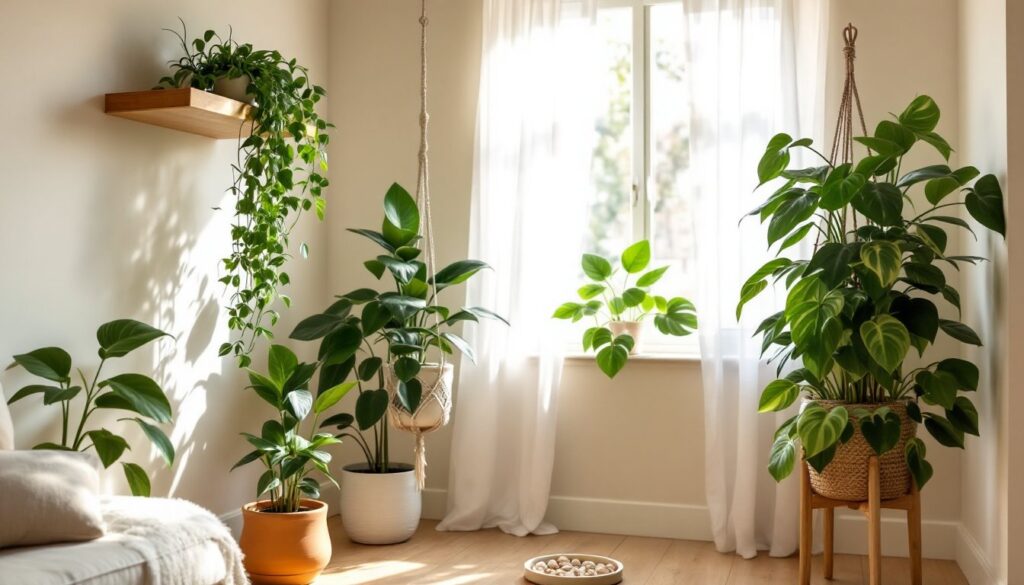
Whether you’re drawn to the green aesthetic of social media or seeking to breathe life into your living space, common house plants are the perfect entry point into indoor gardening. Even if you’ve killed every plant you’ve ever owned, the right ones, paired with straightforward care, will thrive. This guide walks you through why plants matter, which varieties forgive neglect, and how to keep them alive without becoming a full-time botanist. By the end, you’ll have a practical roadmap to building an indoor garden that actually stays green.
Table of Contents
ToggleKey Takeaways
- Common house plants improve air quality, reduce stress, and boost focus while adding aesthetic value to your home for months at a time.
- Hardy varieties like pothos, snake plant, ZZ plant, and spider plant forgive neglect and thrive in low to bright indirect light with minimal care.
- Overwatering is the leading cause of plant failure; check soil 1-2 inches down and water only when dry, allowing water to drain from the pot’s bottom.
- Proper drainage is non-negotiable—always use pots with drainage holes and standard potting soil to prevent root rot.
- Group plants by watering needs, assess your home’s light zones before buying, and use vertical space with shelves and hanging planters to create a thriving indoor garden.
- Start with one or two forgiving plants, learn their rhythm, then expand your collection gradually as your confidence grows.
Why House Plants Matter for Your Home
Beyond looks, house plants deliver real benefits. They improve air quality by absorbing carbon dioxide and releasing oxygen, NASA’s clean air research confirmed that species like spider plants and snake plants remove formaldehyde and benzene from indoor environments. Plants also lower stress and boost focus, which matters when you’re working from home or spending more time indoors.
There’s a practical angle too: plants soften hard surfaces, dampen noise, and add color without the cost of redecorating. A single thriving plant in the corner of a bland room signals care and intention. And unlike cutting fresh flowers weekly, a house plant returns value month after month. For homeowners, they’re an investment in both mental health and property appeal, potential buyers notice living spaces that feel established and cared for.
For DIY enthusiasts, plants offer a lower-stakes project than renovations. You’re learning patience, observation, and adaptation without worrying about building codes or costly mistakes.
Top Easy-to-Grow House Plants for Any Space
Not all plants are created equal when it comes to forgiveness. The classics earn their reputation for good reason: they tolerate irregular watering, fluctuating light, and the occasional neglect that real life throws at you.
Pothos (Devil’s Ivy) is the starter plant for a reason. It grows in low, medium, or bright light, climbs a pole or trails from a shelf, and bounces back from under-watering. Water when the soil is dry to the touch, roughly every 1-2 weeks depending on your home’s temperature and humidity.
Snake Plant (Sansevieria) is nearly indestructible. It thrives in indirect light but tolerates low light, and it actually prefers to dry out between waterings. It’s ideal for desks, bedrooms, or any corner you’ve written off as “too dark.” Water every 3-4 weeks in spring and summer: cut that in half during winter.
Philodendron (the heartleaf variety) behaves similarly to pothos but with heart-shaped leaves and a slightly more compact form. It’s equally forgiving and works well in hanging baskets or on shelves.
ZZ Plant is the champion of neglect. Its waxy leaflets stay green in low light, and it handles sporadic watering better than almost any other houseplant. Expect watering every 2-3 weeks when growth is active, less in winter.
Spider Plant produces long, arching leaves with creamy stripes and sends out baby plantlets on cascading runners. It’s visually interesting and incredibly hardy. Place it in bright, indirect light for best color, but it tolerates low light. Water when the top inch of soil is dry.
If you’re exploring beyond the basics, viney house plants like Hoya and String of Pearls offer trailing beauty and similar ease, though they prefer drier soil and brighter indirect light than pothos.
Low-Light Champions and Resilient Favorites
Low-Light Champions and Resilient Favorites
Low-light corners aren’t dead zones, they’re opportunities. Low light house plants like Pothos, Snake Plant, and ZZ Plant genuinely thrive in moderate to dim conditions. Cast Iron Plant is another underrated option: it tolerates neglect, low humidity, low light, and poor soil. It’s slow-growing, so patience is required, but once established, it asks almost nothing of you.
Dracaena varieties (Corn Plant, Dragon Tree) are tough in indirect or even north-facing windows. They grow slowly but steadily and tolerate lower humidity than many tropicals.
Peace Lily is forgiving in surprising ways: it tolerates low light, actually tells you when it’s thirsty by drooping (then perks up within hours of watering), and produces elegant white spathes under the right conditions. Keep the soil consistently moist but not waterlogged.
Honestly assess your space’s light before buying. “Low light” means indirect light or a room without direct sun, not complete darkness. If you can read a newspaper by natural light alone, that’s workable for low-light plants. A north-facing window or shadowed corner near a south-facing window both qualify. If you’re genuinely concerned, these 50 most common house plants include detailed light requirements for each variety.
Essential Care Tips for Healthy Indoor Plants
Forget the myths about “plant people” having a green thumb. Plant care is about observation and rhythm, not magic. Three variables matter: water, light, and drainage.
Watering, Lighting, and Humidity Basics
Watering, Lighting, and Humidity Basics
Watering is where most indoor plant kills happen. The mistake isn’t underwatering, it’s overwatering. Most common houseplants prefer to dry out slightly between waterings rather than sit in constantly moist soil, which triggers root rot. The rule: check the soil 1-2 inches down. If it feels dry, water until it drains from the bottom. If it feels moist, wait. Seasons matter: plants grow slower in winter and need less water. Every plant’s needs differ: refer to care tags or reliable sources like The Spruce when you’re unsure.
Drainage is non-negotiable. Always use a pot with a drainage hole, no decorative sealed containers. Soil should be loose enough that water passes through quickly. Standard potting soil (not garden soil) works for most houseplants. If you prefer a lighter mix, combine equal parts potting soil, perlite, and orchid bark.
Light varies by species, but “bright, indirect light” is the sweet spot for most common houseplants. This means east-facing windows or sheer curtains filtering south-facing sun. Direct afternoon sun through a window can scorch tender leaves. If a plant looks pale or develops long gaps between leaves, it’s reaching for light, move it closer to a window. Conversely, crispy brown leaf edges and fading color usually signal too much direct sun. Rotate your plant a quarter turn weekly to encourage even growth.
Humidity matters less than people think. Most homes maintain 30-50% humidity, which suits pothos, philodendrons, and snake plants fine. If leaves develop brown tips even though proper watering, humidity may help, group plants together (they humidify each other), place pots on pebble trays filled with water, or mist occasionally. Tropical varieties like Ficus and Monstera appreciate 50-60% humidity, but they’ll survive lower levels.
If you have pets, remember that some house plants are poisonous to dogs and cats. Pothos, Philodendron, and Dracaena are toxic if ingested: keep them out of reach of curious pets. Safer options include Spider Plant and Haworthia.
Designing Your Indoor Garden Layout
Placement isn’t just about making your space look good, it affects how your plants actually perform. Before you buy, assess your home’s light zones. Stand at different times of day and notice where direct sun lands, where indirect light dominates, and where corners stay dim. This mapping takes 15 minutes and prevents impulse purchases that fail.
Group plants by watering needs. Succulents and cacti want drier conditions: trailing plants and ferns prefer consistent moisture. Clustering them near each other simplifies care, you’re not hunting through your home to remember who gets watered today.
Think vertically. Wall-mounted shelves, hanging planters, and tall plant stands free up floor space and create visual interest. A trailing pothos above a desk or a hanging string of pearls near a window adds dimension without clutter.
Consider scale. A single 4-inch pothos in a large living room gets lost: three varying heights of plants grouped together reads as intentional. Odd numbers (three, five, seven) naturally feel more balanced than pairs.
Rotate plants quarterly if they’re near windows. This prevents one-sided growth and ensures even light exposure. If a plant outgrows its spot, either prune it back or graduate it to a larger location, pothos can easily fill a room if you let it.
For inspiration beyond the basics, explore feng shui house plants if you’re interested in placement philosophy that balances energy and aesthetics. Or, if you’re ready for statement pieces, tropical house plants bring dramatic foliage and vibrant presence, though they require slightly warmer temperatures and consistent conditions than hardy classics.
Conclusion
Starting an indoor garden isn’t complicated. Pick hardy varieties suited to your home’s light, match watering to each plant’s tolerance, and give them proper drainage. Most common houseplants forgive mistakes, they want to grow. Your role is observer and occasional caretaker, not perfectionist. Begin with one or two plants, learn their rhythm, then expand. Before long, you’ll have a thriving green space that makes your home feel alive.