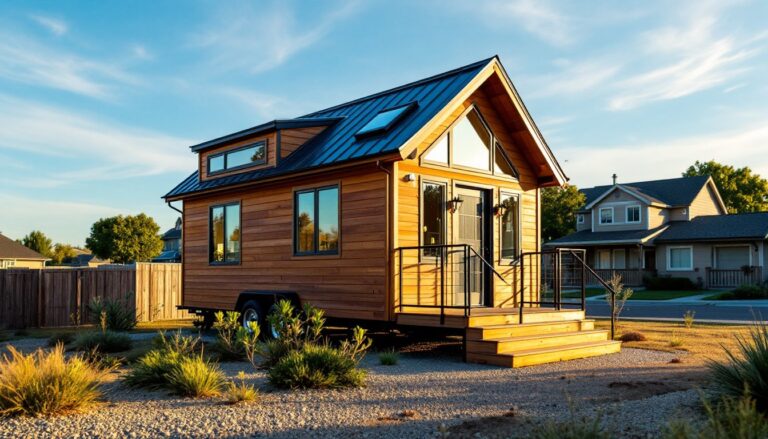
The tiny house movement has gained real traction in Connecticut, where land costs and housing affordability are pushing homeowners toward smaller, smarter spaces. If you’re exploring tiny houses for sale in Connecticut, you’re looking at a market segment that blends affordability with intentional living. Whether you’re downsizing, seeking a second property, or embracing minimalism, understanding the landscape, from pricing and zoning to where to hunt for available properties, matters before you commit. This guide walks you through the essentials of buying a tiny house in Connecticut in 2026.
Table of Contents
ToggleKey Takeaways
- Connecticut’s tiny house market is expanding due to high land costs and housing affordability concerns, with permanent foundation builds preferred over trailers due to zoning restrictions and real estate appreciation potential.
- Tiny houses for sale in Connecticut typically range from $180,000–$280,000 in rural areas to $250,000–$400,000+ near urban centers, but total ownership costs include high property taxes, insurance, and potential HOA fees that can reach $150–$400 monthly.
- Each Connecticut municipality has its own zoning rules for tiny houses, so verifying regulations with the local planning and zoning office before making an offer is critical to avoid costly legal complications.
- Foundation-built tiny homes have a significantly easier zoning path than trailer-based structures, which are often classified as RVs and restricted to short-term use rather than permanent residence.
- Remote work and stabilized mortgage rates have made rural Connecticut tiny houses with reliable internet attractive to younger buyers, dramatically shifting the market since 2024.
- Finding the right property requires using multiple channels including standard platforms like Zillow and Redfin, specialized sites like Tiny House Listings, and local real estate agents familiar with Connecticut’s tiny house segment.
Understanding The Tiny House Market In Connecticut
Connecticut’s tiny house market sits at an interesting crossroads. The state’s median home prices remain steep compared to national averages, making compact dwellings attractive for first-time buyers and empty-nesters alike. A tiny house, typically defined as under 400 square feet and often built on a foundation or trailer, offers both cost savings and reduced maintenance headaches.
The market here leans toward permanent foundation builds rather than RV-style trailers, partly due to zoning restrictions and the desire for traditional real estate appreciation. Connecticut’s housing inventory has tightened, which means tiny houses can move quickly when priced competitively. Builders and developers increasingly recognize the demand, so new tiny communities are popping up across the state, particularly in more affordable inland towns.
Market dynamics have shifted since 2024. Mortgage rates stabilized at levels that made compact homes more accessible to younger buyers saddled with student debt. Meanwhile, remote work solidified, meaning people no longer needed proximity to office parks in high-cost areas. That’s changed the calculus: a 300-square-foot home in rural Connecticut, outfitted with reliable internet, suddenly becomes livable for professionals.
Where To Find Tiny Houses For Sale In Connecticut
Finding the right tiny house requires knowing where to look and what to filter for.
Online Listings And Real Estate Platforms
Standard platforms like Zillow, Redfin, and Realtor.com all support filtered searches for smaller properties. Set your search to “Under 400 sq ft” or customize by square footage: most platforms let you toggle minimum acreage too. Connecticut-specific MLS databases through local real estate boards often surface smaller properties before they hit the national feeds, so hiring a local agent familiar with the tiny house segment pays dividends.
Specialized sites like Tiny House Listings aggregate properties across the nation and allow state-by-state filtering. Facebook groups dedicated to Connecticut tiny living occasionally post direct-from-owner sales, though always verify listings independently before scheduling viewings. Real estate agents who specialize in downsizing or sustainable housing in Connecticut, search “Connecticut tiny house realtor”, will have better intel on off-market deals and incoming inventory.
Curbed regularly for trend reports and market news specific to Connecticut’s real estate landscape. Market coverage often flags emerging neighborhoods and price shifts before they show up in your local feeds.
What To Expect: Price Ranges And Costs
Pricing varies wildly depending on location, condition, and customization.
In rural northwest Connecticut (towns like Litchfield, Kent, or Cornwall), a move-in-ready tiny house on a foundation runs $180,000–$280,000. Closer to the Gold Coast or Hartford metro areas, expect $250,000–$400,000+. Newer custom builds with high-end finishes can exceed $500,000. Used or DIY-friendly tiny homes needing cosmetic work might dip to $120,000–$180,000 if you’re willing to renovate.
Trailer-based tiny homes sit lower, sometimes $80,000–$150,000 for the structure alone, but you’ll need to factor in lot rental or land purchase, which can balloon costs depending on zoning.
Don’t forget hidden costs. Property taxes in Connecticut are among the nation’s highest, even for modest properties. A $200,000 tiny house in a town with a 2% effective tax rate costs roughly $4,000–$4,500 annually. Homeowners insurance, utilities, and HOA fees (if part of a tiny community) add another $150–$400 monthly. If the property requires well water or septic, inspection and maintenance add several hundred dollars yearly.
Mortgage financing is tightening for properties under 400 square feet, some lenders won’t touch them, while others demand 20% down instead of the standard 10%. Shop around with credit unions and local banks familiar with tiny house lending: national mortgage companies often ghost smaller properties outright.
Key Considerations Before Buying A Tiny House
Beyond the purchase price, several factors will make or break a tiny house purchase in Connecticut.
Resale potential varies dramatically. A custom-built tiny home in a well-established town with good schools and walkability has decent resale legs. A trailer in an industrial zone or a property that requires special zoning variances may languish on the market when you’re ready to sell. Research comps carefully, how many tiny houses have sold in that town in the last two years, and at what price?
Utility infrastructure matters more in a compact space. A drafty 300-square-foot home costs proportionally more to heat than a leaky ranch house, so inspect insulation, windows, and HVAC carefully. Properties with heat pump systems or recent energy audits are worth a premium in New England’s cold climate.
Site conditions demand scrutiny. Flood zones, wetland setbacks, and soil composition affect tiny house placement and future expansion. Get a thorough Phase 1 environmental assessment if the land history is murky.
Zoning Laws And Local Regulations
This is where many tiny house dreams derail. Connecticut municipalities don’t have a statewide definition of “tiny house,” so each town writes its own rules. Some places welcome accessory dwelling units (ADUs) and small homes: others cap minimum square footage at 1,200 or ban owner-occupied tiny homes outright.
Before you make an offer, contact the planning and zoning office for the specific town. Ask about minimum square footage requirements, whether tiny homes are permitted in residential zones, and if lot size minimums apply. Some towns require owner-occupancy for units under 500 square feet, which affects investment potential.
Trailer-based tiny houses face steeper hurdles. Connecticut generally classifies them as RVs, and zoning for RVs is restrictive. You may only legally park one on your own land for short-term use, not as a permanent residence. Foundation-built tiny homes sidestep this issue entirely, they’re treated as conventional dwellings and have a far easier zoning path.
Permits and approvals take time. Budget 4–8 weeks for municipal review, especially if your property or plans require variances. Shovel-ready properties where zoning already permits tiny homes sell faster and at better prices than those requiring legal gymnastics.
Examine the deed and property survey carefully. Restrictive covenants from decades past sometimes prohibit dwellings below a certain square footage. An old subdivision, even if currently zoned residential, might carry deed restrictions that kill your plan. A real estate attorney’s review, budget $300–$600, is worth every penny.
Conclusion
Buying a tiny house in Connecticut is achievable, but it demands legwork. Nail down zoning before you fall in love with a property, understand total ownership costs, and work with an agent or attorney who grasps the segment. The market’s momentum is real, and pricing reflects it, but smart research and realistic expectations separate successful purchases from costly regrets.