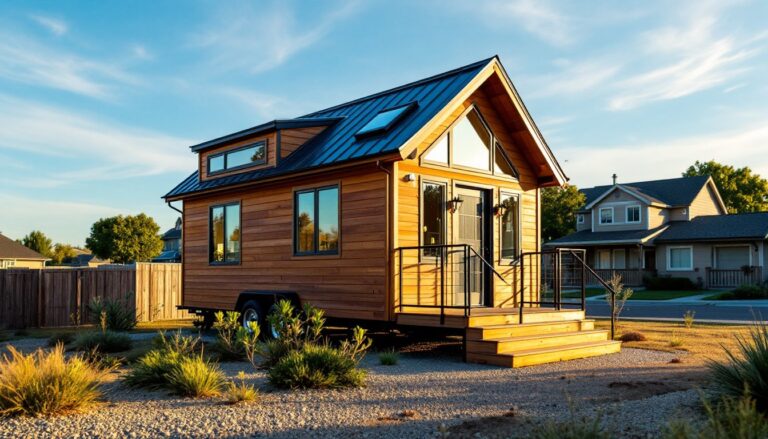
The tiny house movement has evolved from niche trend into a genuine lifestyle choice for thousands of homeowners. As housing costs climb and environmental awareness grows, more people are questioning the assumption that bigger is always better. A tiny house, typically between 100 and 400 square feet, offers a compelling alternative for those willing to rethink how they live. Whether you’re interested in a mobile tiny home on a trailer, a permanent foundation-built structure, or a backyard accessory dwelling unit (ADU), understanding the practical realities of tiny house living is essential before diving into design and construction.
Table of Contents
ToggleKey Takeaways
- Tiny houses typically range from 100–400 square feet and offer a lifestyle choice that reduces housing costs, utility bills, and environmental impact for those willing to rethink their living space.
- Financial benefits of tiny house living include lower purchase prices ($40,000–$100,000), minimal mortgages, and reduced operating costs, but quality construction materials should never be compromised to meet budget targets.
- Smart design strategies like open floor plans, vaulted ceilings, vertical storage, multi-purpose furniture, and strategic window placement maximize livability without adding square footage.
- Zoning restrictions and building codes vary significantly by location; verify local regulations, ADU rules, and permitting requirements before purchasing land or beginning construction.
- Common challenges including moisture control, winter heating efficiency, and limited resale markets can be mitigated through proper ventilation systems (HRV/ERV units), quality insulation, and choosing locations with established tiny house communities.
- Success with tiny house living requires honest self-assessment, thorough planning, adherence to building codes, and ideally a trial period in a rental tiny home before committing to construction.
What Defines a Tiny House and Why It’s Gaining Popularity
A tiny house is legally defined differently across jurisdictions, but most fall under 400 square feet and weigh less than 13,000 pounds if built on a trailer. Some are mobile (THOW, tiny house on wheels): others are permanent structures built on foundations. The appeal has shifted beyond Instagram aesthetics. Rising property values, student loan debt, and desire for simplified living are driving adoption. Many people are drawn to reduced utility costs, lower property taxes, and the freedom that comes from owning an affordable home outright. Building codes vary by location, so verify local regulations before committing to a design or construction timeline. Mobile units must meet Department of Transportation (DOT) standards for safety and transportability, while permanent structures follow standard International Building Code (IBC) requirements.
Financial Benefits: Reducing Costs Without Compromising Quality
The financial argument for tiny houses is straightforward: lower purchase price, smaller mortgage (or none at all), and reduced operating costs. A modest 250-square-foot tiny home can cost $40,000 to $60,000 to build yourself or $60,000 to $100,000 if professionally constructed, a fraction of the median U.S. home price. Utility bills shrink proportionally: heating and cooling 300 square feet requires far less energy than a 2,000-square-foot house. Property taxes and insurance follow suit. But, don’t skimp on structural quality to hit a budget. Cheap lumber, poor insulation, or inadequate ventilation creates problems that cost far more to fix later. Invest in solid framing, proper moisture barriers, and efficient windows: these reduce long-term maintenance and energy waste. Land costs and zoning restrictions often represent the largest hidden expense, so research your desired location thoroughly before purchasing materials.
Design and Layout Strategies for Maximizing Tiny House Living
Every square inch counts in a tiny house. Smart layout begins with understanding traffic flow and zoning, sleeping areas separate from living and work zones, even if physically close. Open floor plans maximize perceived space, but poor acoustic isolation can feel cramped. Vaulted ceilings, large windows, and light wall colors amplify openness. Vertical storage, murphy beds, and fold-down work surfaces are practical, not mere gimmicks: they reclaim floor space for living. Kitchen layouts should follow the classic work triangle (sink, stove, refrigerator), scaled down but still functional. Bathrooms benefit from wet-room design (all surfaces moisture-resistant) and corner-mounted fixtures to free floor area. Pay attention to natural light: skylights and strategically placed windows boost livability without adding square footage.
Smart Storage and Multi-Purpose Furniture Solutions
Storage in a tiny house requires obsessive planning. Custom cabinetry under stairs, built-in benches with drawers, and wall-mounted shelving systems eliminate wasted dead space. Choose multi-purpose pieces: ottomans with storage, kitchen islands on wheels, bed frames with integrated drawers. Platforms can hide utilities and create distinct zones. Rather than cramming standard-sized furniture into a tiny room, commission or build pieces tailored to your exact dimensions. Materials matter too, solid wood or high-quality plywood last: flimsy particleboard fails fast under heavy use. Apartment Therapy’s approach to small space living emphasizes intentionality: every item must earn its footprint. Avoid decorative clutter: functionality and simplicity define stylish tiny living.
Practical Steps to Planning and Building Your Tiny House
Start with a detailed site plan and zoning research. Contact your local building department and ask about ADU regulations, setback requirements, and whether tiny houses are even permitted in your area. Many jurisdictions have specific rules about foundation type, minimum ceiling heights (typically 6’8″), egress windows, and utility connections. Next, hire an architect or use pre-designed plans scaled for your needs. Sketching your own layout works only if you understand framing, load-bearing walls, and structural integrity. Budget 4–8 weeks for permitting and inspection scheduling. For the build itself, a team of two (owner plus helper or contractor) can frame, sheath, and weatherproof a 300-square-footer in 6–10 weeks if properly organized. Electrical and plumbing typically require licensed professionals: DIY work violates code and creates safety hazards. Rough-in electrical wire, outlets, and breaker panels must meet NEC (National Electrical Code) standards. Plumbing must handle freezing risks (in mobile units) and proper venting to prevent siphoning. Interior finishing, drywall, flooring, trim, is where hands-on DIYers contribute most. Insulation is critical: spray foam or rigid foam boards minimize thermal bridging through studs and joists. Modern tiny house design often incorporates passive solar principles and ventilation strategies (ERV/HRV units) to maintain indoor air quality without excessive heating or cooling.
Common Challenges and How to Overcome Them
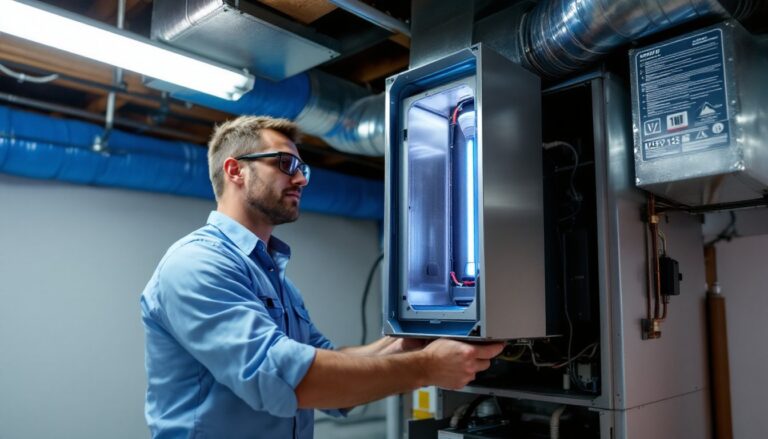
Moisture and condensation are the silent killers of tiny houses. Poor ventilation, inadequate vapor barriers, or blocked exhaust ducts lead to mold and rot. Install a heat recovery ventilator (HRV) or energy recovery ventilator (ERV) to maintain fresh air while retaining warmth. Check exterior flashing around windows and doors religiously: water infiltration escalates fast in compact structures. Zoning restrictions remain the biggest barrier. Many neighborhoods prohibit mobile tiny homes or ADUs, or cap ADU square footage at levels too small for realistic living. Always verify before purchasing land. A title search and conversation with neighbors also prevents surprises. Resale can be tricky if your local market doesn’t embrace tiny living. Buy in or near established tiny house communities or progressive urban areas where demand is stronger. Lender reluctance is real: traditional mortgages are harder to secure for mobile units or sub-1,000-square-foot homes. Real Simple’s decluttering strategies help with the mindset shift, but psychological adjustment to compact living takes time. Don’t romanticize downsizing: trial periods in tiny rentals often reveal whether the lifestyle truly suits you. Finally, winter heating and summer cooling efficiency demand attention. Poor insulation or air sealing means high utility bills even though the smaller footprint, negating a key financial benefit.
Conclusion
Tiny house living isn’t a shortcut to affordable homeownership, it’s a deliberate redesign of how you occupy and use space. Success hinges on honest self-assessment, thorough planning, quality construction, and realistic expectations about zoning and resale. The financial and environmental upside is real, but only if the build respects building codes and proper construction practices. Start by exploring existing tiny homes, consulting local regulations, and spending time in compact spaces before committing resources.