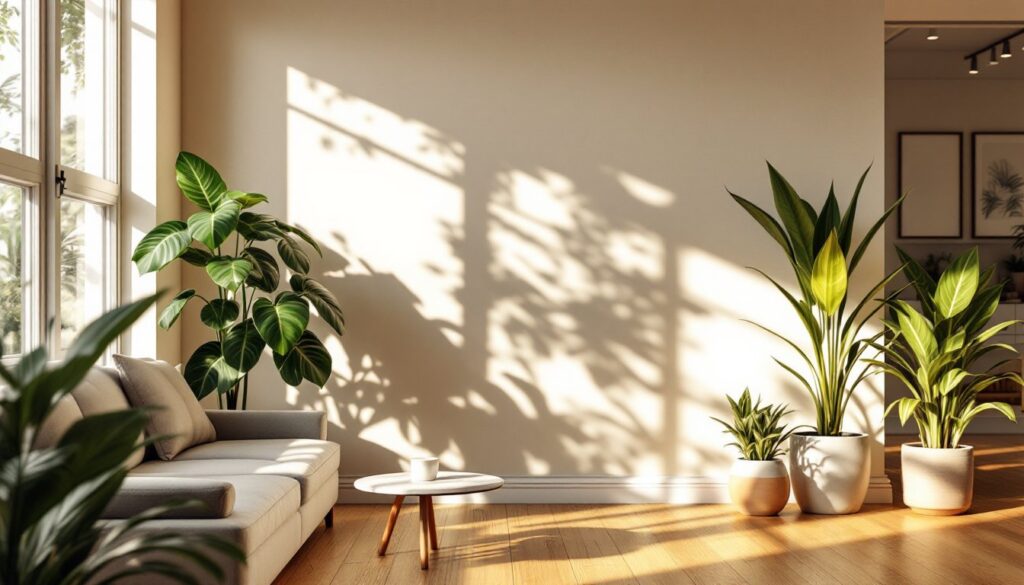
Floor plants have become the easiest way to add life, texture, and visual interest to any room without needing a renovation. Whether you’re working with a sunny corner or a dimly lit entryway, floor house plants serve as living décor that transforms bare spaces into something special. The difference between a room that feels lifeless and one that feels genuinely inviting often comes down to strategic floor plant placement. This guide walks you through choosing the right plants, positioning them for maximum impact, and keeping them thriving so your investment pays off for years to come.
Table of Contents
ToggleKey Takeaways
- Floor house plants transform spaces by adding life, texture, and visual interest while improving air quality and creating a welcoming atmosphere without expensive renovations.
- Choose low-light champions like Pothos, Snake plants, and ZZ plants for dim spaces, or bright-light favorites like Fiddle Leaf Figs and Rubber plants for sun-drenched areas to ensure your floor plants thrive.
- Strategic placement—such as corner anchors, entryway statements, paired plants, and clustered groupings—maximizes the visual impact and design purpose of floor house plants in any room.
- Overwatering is the most common failure; let soil dry 1–2 inches deep between waterings, match light conditions to plant species, and maintain consistent seasonal care to keep floor plants healthy.
- Dust large-leafed plants monthly, repot every 1–2 years into only slightly larger containers, and fertilize lightly during spring and summer to prevent leaf damage and pest problems.
Why Floor Plants Transform Your Home Decor
Floor plants do something that wall art or furniture alone can’t quite manage: they bring movement and life to a space. A tall plant in the corner draws the eye upward, making ceilings feel higher. Plants positioned beside an entryway create a welcoming threshold. They soften hard architectural lines, fill awkward gaps, and add color and texture without costing a fortune.
Beyond aesthetics, floor house plants improve air quality, reduce stress, and create a connection to nature indoors. They’re also forgiving, unlike a bad paint color or pricey art installation, a plant can be moved, repositioned, or replaced if it doesn’t work. For DIY enthusiasts and homeowners who like flexibility in their spaces, that’s invaluable.
When you’re designing a room, think of floor plants as anchors. They ground a seating area, define a space without walls, and give your eye a natural resting point. A single well-placed tall plant can change the entire feel of an otherwise ordinary corner.
Best Floor Plants For Low-Light And High-Light Spaces
Low-Light Champions
Not every home has sun-drenched south-facing windows, and that’s fine. Plants like Pothos (also called Devil’s Ivy) thrive in minimal light and add cascading greenery to corners. Snake plants (Sansevieria) are nearly indestructible and grow slowly but steadily in dimly lit foyers or offices. Cast Iron plants live up to their name, they tolerate neglect and shade without complaint.
The low light house plants category also includes Parlor palms, which create a tropical feel in shadowy spots, and ZZ plants, which are sleek, modern, and require watering just once monthly. These low-light options work in basements, hallways, and rooms with only north-facing windows.
Bright-Light Favorites
If your floor space catches direct sun, you have more options. Fiddle Leaf Figs command attention with their large, sculptural leaves and work beautifully as statement pieces. Dracaena varieties offer tall, skinny indoor plants that fit snugly into tight corners while providing vertical interest. Rubber plants develop thick, glossy foliage and grow faster in bright conditions.
Bamboo palms tolerate bright indirect light and add tropical vibes without the fussy humidity demands of true tropical species. For spaces with intense afternoon sun, consider a Corn plant or a Yucca. These handle heat and bright light without developing scorched or bleached leaves. Tall skinny indoor plants like lucky bamboo also work well in bright corners, creating height without consuming floor space.
Strategic Placement Ideas For Maximum Visual Impact
Placement strategy depends on room layout, light availability, and the mood you want to create.
Corner anchors draw the eye and fill awkward dead space. A tall plant in an empty corner next to a sofa instantly balances the room and gives the seating area weight and definition. Floor house plants in corners also don’t compete for table space or block walkways.
Entryway statements set the tone before guests even enter your living area. A viney house plants display or a single specimen plant signals warmth and attention to detail. This is your chance to show that plants matter in your home.
Paired plants flank doorways, fireplaces, or large windows for formal balance. This works best with matching or similar-sized plants in the same style of plant pots. Symmetry creates stability, perfect for more traditional or transitional interiors.
Clustered groupings of varying heights create visual richness in empty floor space. Mix a tall plant, a medium-height specimen, and a smaller trailing plant at their base. This layered approach looks intentional and much more dynamic than a single isolated plant.
Backed by windows lets light filter through foliage, creating silhouettes and shadow patterns on your walls and floor. This technique works especially well with larger-leafed plants and adds depth to a room.
Corner furniture groupings benefit from a floor plant that ties the seating area together. Position it beside a reading chair or behind a small console table to create a cohesive vignette.
Room dividers can be created with tall plants placed between two zones. A tall skinny indoor plant doesn’t block sightlines completely but suggests separation between a living and dining area or between a workspace and relaxation zone.
Essential Care Tips To Keep Floor Plants Healthy
Beautiful floor plants only stay beautiful if they’re thriving, so consistency in care is non-negotiable.
Watering is the most common failure point. Most homeowners overwater. Let soil dry out between waterings, stick your finger 1 to 2 inches into the soil. If it’s dry, water. If it’s still moist, wait. Frequency depends on season, pot size, and your specific plant species. In winter, most plants need less water. Use room-temperature water and always empty saucers after 15 minutes so roots don’t sit in standing water.
Light levels matter more than effort. If you’ve chosen a plant for your light conditions (low-light or bright-light), it will grow naturally. Don’t try to force a sun-loving plant into a dim corner and compensate with more water, that creates leggy growth and rot. Floor house plants positioned in mismatched light often develop weak stems and sparse foliage.
Humidity helps certain plants, especially tropical varieties. A simple solution is grouping plants together, they naturally humidify each other through transpiration. A humidifier for plants in winter months also prevents dry leaf edges, especially in heated homes.
Dust accumulation clogs pores and reduces photosynthesis. Wipe large-leafed plants monthly with a damp cloth. For fuzzy-leafed varieties, use a soft brush instead of water.
Fertilizer should be light and seasonal. Feed during spring and summer (active growth) with a balanced, diluted houseplant fertilizer. Skip it entirely in fall and winter when growth naturally slows. Over-fertilizing causes salt buildup and leaf burn.
Repotting happens every 1 to 2 years as plants outgrow their containers. Choose a pot only 1 to 2 inches larger than the current one, too much extra soil holds excess moisture. Use quality potting mix, not garden soil, which compacts and drains poorly indoors.
Watch for pests (spider mites, mealybugs) and disease signs. Essential guides to indoor plant diseases help identify problems early. Isolate affected plants immediately so pests don’t spread to neighbors.
Conclusion
Floor plants are a straightforward, rewarding way to refresh any home. Choose species suited to your light, position them strategically for visual impact, and commit to basic care routines. The result? Spaces that feel alive, welcoming, and unmistakably yours. Whether you’re a seasoned plant parent or just starting out, floor house plants adapt to your style and improve your home’s atmosphere instantly.