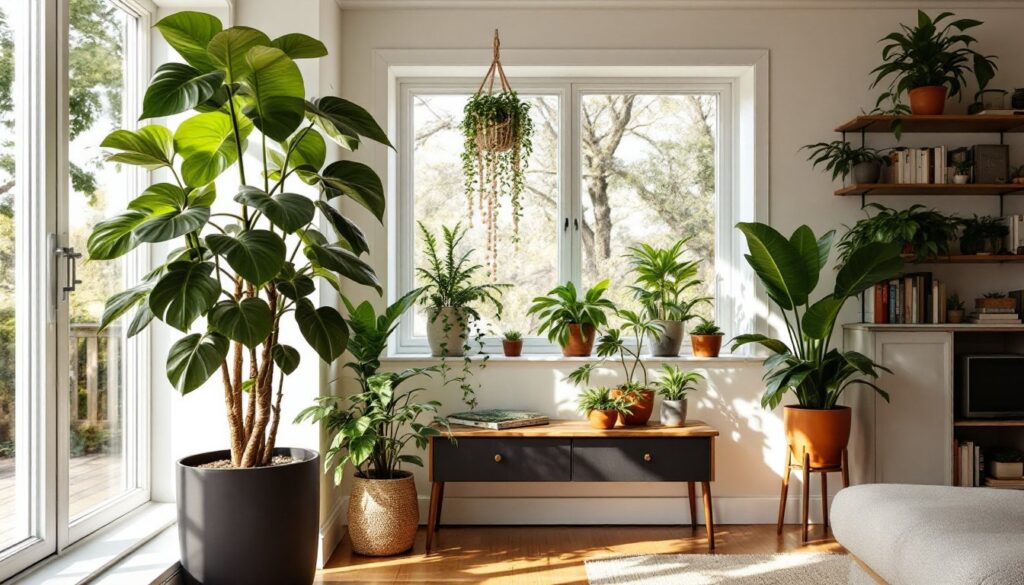
Plants aren’t just decorative accents, they’re functional additions that improve air quality, boost mood, and bring life to any space. Whether you’re working with a sunny kitchen, a dim bedroom, or a humid bathroom, there’s a plant solution waiting. This guide walks you through selecting the right greenery, keeping it thriving, and styling it so your home feels less like a showroom and more like a living, breathing space. No green thumb required, just practical steps and honest talk about what actually works.
Table of Contents
ToggleKey Takeaways
- Plants improve air quality, reduce stress, and boost productivity—making a house with plants an investment in both aesthetics and mental wellness.
- Choose plants based on your home’s light conditions (bright, medium, or low) and your lifestyle, not just appearance, to ensure they thrive long-term.
- Master the three essentials of plant care—water, light, and environment—by checking soil moisture before watering and adjusting frequency seasonally to prevent overwatering.
- Display plants strategically using varied heights, odd groupings, and complementary pot colors to create an intentional, balanced look throughout your home.
- Address common problems like yellow leaves, pests, and leggy growth quickly by diagnosing the root cause—usually light, drainage, or watering issues—and adjusting care accordingly.
Why Plants Belong in Every Home
Plants do more than fill empty corners. They absorb carbon dioxide and release oxygen, reduce indoor pollutants (NASA research backs this up), and create a visual focal point that instantly softens harsh corners and bare walls. From a pure design perspective, a well-placed potted plant draws the eye upward, breaks up flat surfaces, and adds texture that matches almost any decor style.
Beyond aesthetics, there’s the mental health angle. Studies consistently show that living plants reduce stress and increase productivity. A fiddle leaf fig in your home office isn’t just trendy, it’s genuinely working for you. The same goes for a cluster of low-light plants in a bedroom or bathroom. Even small potted varieties contribute to that sense of calm and connection to nature.
The practical reality? Plants require attention but not obsession. Unlike furniture, they respond to neglect with clear signals: drooping leaves, yellowing growth, or slowed progress. This feedback loop actually helps beginners learn faster than with any guide. You water, you observe, you adjust. That’s the whole system.
Choosing the Right Plants for Your Space
The biggest mistake homeowners make is buying a plant they love, then placing it in the wrong light. Light availability, not your aesthetic preference, should drive your selection.
Before you shop, assess your spaces honestly. Hold your hand where the plant will sit. Can you read a newspaper there without artificial light? That’s bright, indirect light. Can you see clearly but no direct rays hit the spot? That’s medium light. Is the corner still pretty dim, even midday? Welcome to low-light territory.
Next, check your lifestyle. Are you home weekdays and travel weekends? A succulent or snake plant tolerates neglect. Do you run a humidifier or have constant bathroom moisture? Ferns and pothos thrive there. Is your apartment cold or drafty? Skip tropical varieties and go with hardy, adaptable species like philodendrons or ZZ plants.
Size matters too. A mature monstera can stretch 6 feet tall and wide. A pothos adapts to trellises, shelves, or hanging baskets. Measure your available space and research mature dimensions, not the tiny nursery size.
Essential Plant Care Basics for Beginners
Plant care boils down to three variables: water, light, and environment. Get these right, and you’re 80% of the way there.
Watering is the biggest source of anxiety, and failure. Most houseplants prefer to dry out slightly between waterings rather than sit in soggy soil. Before you water, stick your finger into the soil about an inch deep. If it feels dry, water thoroughly until it drains from the bottom. If it still feels moist, wait another day or two. Overwatering causes root rot faster than anything else.
Seasonal rhythm matters. During winter, most plants slow growth and need far less water. You might water once weekly in summer but once every two weeks in winter. Check the soil, not the calendar.
Potting soil is not just cosmetic. Standard potting mix (not garden soil) stays light and drains well. For succulents and cacti, use cactus-specific soil with added perlite or sand to prevent water-logging. Drainage holes in your pot are non-negotiable, even if you love that planter without holes, put a nursery pot inside it.
Creative Display Ideas and Plant Styling
How you display plants matters as much as the plants themselves. A single large plant in a corner creates a focal point. A cluster of varied heights on a side table looks intentional rather than accidental. Hanging plants save floor space and add vertical interest, trailing pothos or string of pearls work beautifully above shelves or in corners.
Pot selection sets the tone. Terracotta breathes and suits Mediterranean or minimalist aesthetics. Ceramic or glazed pots hold moisture longer and offer color flexibility. Modern homes pull off sleek planters in matte black or concrete finishes. Match your pots to your space’s existing palette rather than mixing too many colors, three pots in complementary shades look curated: eight mismatched containers look haphazard.
Scale is crucial. A tiny succulent looks lost on a large credenza, but three of varying heights work. Large plants need breathing room, don’t cram them against walls or into tight corners where they can’t grow. Grouping smaller plants in odd numbers (three or five) feels more balanced than pairs.
Viney house plants create lush, layered displays when trained on moss poles or trellises, adding dimension without requiring floor space. Resources like Better Homes & Gardens offer seasonal styling inspiration, though the fundamentals stay consistent: light, scale, and balance.
Common Plant Problems and Quick Fixes
Yellow leaves usually signal overwatering or poor drainage. Check the soil and pot drainage first. If the pot has no holes, transfer the plant to one that does. Reduce watering frequency if the soil was soggy.
Brown leaf tips point to low humidity, inconsistent watering, or mineral buildup in tap water. Mist the plant, check your watering schedule, or try distilled water for sensitive species.
Pest infestations (spider mites, mealybugs, scale) show up as sticky residue, webbing, or tiny dots on leaves. Isolate the plant immediately, pests spread fast. Spray leaves with neem oil (follow label directions carefully) or a diluted insecticidal soap. Repeat weekly for two to three weeks. Inspect new plants before bringing them indoors to prevent importing infestations.
Leggy growth (long stems with sparse leaves) means the plant isn’t getting enough light. Move it closer to a window or supplement with a grow light. You can also prune back to encourage bushier growth, new stems emerge below the cut.
Wilting even though wet soil indicates root rot, usually from poor drainage or constant wetness. Cut away blackened roots, repot in fresh, dry soil, and reduce watering going forward. Sometimes the plant recovers: sometimes it’s a loss. It’s part of the learning curve.
Slow or no growth during winter is normal. Most plants enter dormancy and don’t need feeding. Resume regular care in spring. If growth stalls year-round, evaluate light and temperature. The Spruce offers troubleshooting guides that detail diagnosis and treatment for dozens of common issues. Feng Shui house plants also provide additional perspectives on plant placement and health within living spaces.