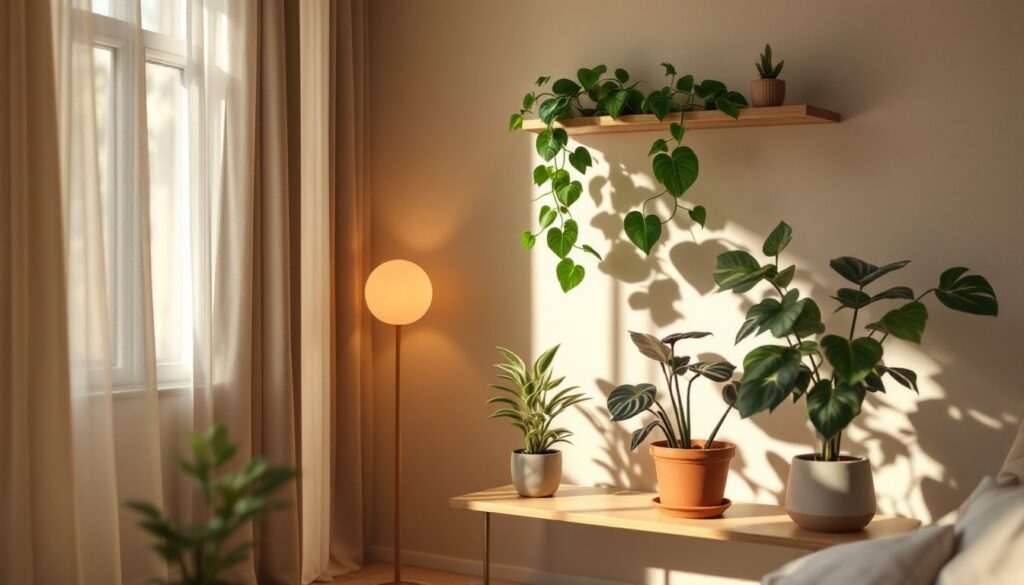
Not every home gets flooded with natural light. Dim hallways, north-facing rooms, and offices tucked away from windows are real. The good news: plenty of low light house plants thrive in those shadowy corners without fuss or special equipment. If you’ve written off dark spaces as plant-free zones, think again. Modern low sunlight house plants come in dozens of varieties, from trailing vines to architectural leafy specimens, and most actually prefer indirect light over direct sun. Whether you’re a seasoned plant parent looking to fill dead zones or a beginner testing the waters, low light plants offer an accessible way to bring greenery indoors without the guilt of dead ferns piling up.
Table of Contents
ToggleKey Takeaways
- Low sunlight house plants like pothos, philodendrons, snake plants, and ZZ plants thrive in dim spaces without special equipment, making them ideal for modern homes with limited natural light.
- These shade-tolerant plants require less frequent watering and maintenance than sun-loving varieties, fitting perfectly into busy schedules while also improving air quality by filtering toxins like formaldehyde and benzene.
- Proper drainage and restrained watering are the foundation of success with low light plants; overwatering causes root rot faster than underwatering, so let soil dry between waterings and always use pots with drainage holes.
- Low light doesn’t mean darkness—your plants need indirect, ambient light such as 4–6 feet from a north-facing window or office lighting bright enough to read comfortably without a headlamp.
- Fertilize sparingly during growing season (every 6–8 weeks) and skip feeding entirely in winter, since low light plants grow slowly and need less nutrients than high-light varieties.
- Dark corners and windowless rooms are no longer plant-free zones; with honest light assessment and the right low light plant variety, you can fill dead spaces with greenery that enhances both aesthetics and indoor air quality.
Why Low Light Plants Are Perfect For Modern Homes
Modern homes often have design challenges that traditional plant advice ignores. Open floor plans push living areas away from windows. Cubicles and home offices occupy interior corners. Basement dens and windowless bedrooms are becoming more common, not less. Rather than fighting your home’s layout, low light plants accept it. They’ve evolved (or been selected over generations) to photosynthesize efficiently in partial shade and filtered light, which means they’re less fussy about placement than sun-worshippers like succulents.
Low light plants also fit modern work and family schedules. They typically need less frequent watering than high-light plants, since they grow more slowly in shade and moisture evaporates more gradually from their soil. This slower growth rhythm means fewer trips to the sink, less fertilizer, and a forgiving plant if you miss a watering day. For busy homeowners juggling work, kids, and weekends, that’s not a minor perk.
Another practical benefit: low light plants reduce glare and heat from direct sun indoors, which means lower cooling costs in summer. They also filter air, spider plants, pothos, and peace lilies are well-documented at removing toxins like formaldehyde and benzene from indoor environments, according to research from universities and the EPA. You’re not just decorating: you’re creating a healthier breathing space.
Best Low Sunlight House Plants For Beginners
Pothos and Philodendrons: Versatile Climbers
Pothos (also called Devil’s Ivy) and Philodendrons are the workhorse vines of the low-light world. Both are aroids, tropical vines that naturally climb trees in forest understory where light is dappled and soft. In your home, that translates to thriving on a bookshelf, hanging from a bathroom fixture, or climbing a moss pole in a corner bedroom.
Pothos tolerates neglect better than almost any houseplant. You can ignore it for two weeks, and it’ll still look perky when you return. It grows quickly enough to fill a space but not so aggressively that it takes over. Philodendrons are nearly as forgiving and come in varieties like the Philodendron ‘Brasil’ (with cream and green variegation) and the Heartleaf Philodendron, which are visually distinct enough to keep things interesting without needing specialty plant care.
Both prefer indirect light but tolerate low light remarkably well. Their main need: don’t overwater. Let the soil dry out an inch or two between waterings. Both climb naturally, so give them something to ascend, a trellis, moss pole, or even a corner, and they’ll reward you with denser growth. Viney House Plants: A offer similar benefits if you’re drawn to trailing or climbing forms.
Snake Plants and ZZ Plants: Low-Maintenance Wonders
Snake plants (Sansevieria) and ZZ plants (Zamioculcas zamiifolia) are the minimalist’s dream. Both have architectural, upright foliage that adds structure to a room. Both tolerate low light, irregular watering, and temperature fluctuations that would stress tender tropicals.
Snake plants are nearly indestructible. They prefer to dry out completely between waterings, in fact, overwatering is their only real enemy. They grow slowly, so you won’t be repotting every season. ZZ plants are equally unfussy. They have a rhizome root system that stores water, which is why they shrug off skipped waterings. Both plants do something else valuable: they’ll actually grow in light so dim that most plants would merely survive. That’s not metaphorical, it’s measurable in foot-candles of illumination.
From an interior design perspective, both plants fit modern minimalist, industrial, and even traditional aesthetics. A mature snake plant in a simple concrete or clay pot works in a studio apartment or a family home. A ZZ plant’s glossy compound leaflets catch whatever ambient light exists and reflect it gently around a room. Neither demands pest control, special humidity, or fussy soil mixes. Standard potting soil works fine.
Essential Care Tips For Low Light Indoor Plants
Even forgiving plants need baseline care. Here’s what actually moves the needle:
Watering Protocol: This is where most people trip up. Low light plants aren’t quite dormant, but they’re growing slowly. Overwatering causes root rot faster than underwatering causes damage. Stick your finger into the soil an inch deep. If it feels wet, wait. If it’s dry, water thoroughly, until water drains from the pot’s bottom, then empty the saucer. For pothos and philodendrons, aim for every 7–10 days depending on humidity and pot size. For snake plants and ZZ plants, every 2–3 weeks is often plenty. In winter, stretch intervals by 30–50% since growth slows further.
Light Expectations: “Low light” doesn’t mean darkness. It means indirect, ambient light, like what you’d get 4–6 feet back from a north-facing window, or 10+ feet from a south-facing window with a sheer curtain filtering rays. Fluorescent or LED office lighting counts too. If you can read comfortably without a headlamp, your plant will survive. Growth will be slower than in bright indirect light, but these species evolved for exactly this.
Soil and Drainage: Use well-draining potting soil, not garden soil. Low light plus wet soil is a recipe for fungal issues. A standard indoor potting mix works. If you want to ensure even better drainage for plants like ZZ, mix in a bit of perlite or orchid bark (20–30% amendment). The container must have drainage holes, no exceptions. Decorative pots without holes collect water and kill roots.
Humidity and Temperature: Low light plants from tropical origins appreciate moderate humidity (40–60%), but they adapt to normal household humidity. Misting helps in winter when heating dries air, but it’s optional. Keep them away from heating vents, AC drafts, and cold windows. Room temperature between 65–75°F is ideal: most tolerate 60–80°F.
Fertilizing: Don’t over-fertilize. A diluted liquid fertilizer every 6–8 weeks during growing season (spring through early fall) is plenty. In winter, skip it entirely, growth has essentially paused. Low light plants grow slowly, so they need less food. Too much nitrogen encourages weak, leggy growth.
Pruning and Cleaning: Trim dead or yellowing leaves with clean scissors. For trailing plants like pothos, pruning encourages bushier growth. Wipe large leaves occasionally with a damp cloth to remove dust and maximize the light they capture. For 50 Most Common House Plants With Pictures, you’ll find images of mature specimens and their typical shapes, that’s your visual guide for what healthy growth looks like.
Research from The Spruce and other gardening authorities consistently emphasizes that patience and a watering can, not fancy grow lights or equipment, are the foundation of successful houseplant care. Better Homes & Gardens similarly highlights that understanding your specific plant’s water and light needs beats guessing or following one-size-fits-all schedules.
Conclusion
Low light house plants aren’t a consolation prize for homes without skylights. They’re a practical, attractive solution for real homes with real layouts. Pothos, philodendrons, snake plants, and ZZ plants get you started with near-zero learning curve. Focus on proper drainage, restrained watering, and honest light assessment, and you’ll build confidence to expand into other low-light varieties. Your dark corners aren’t dead space, they’re waiting for the right green companion.