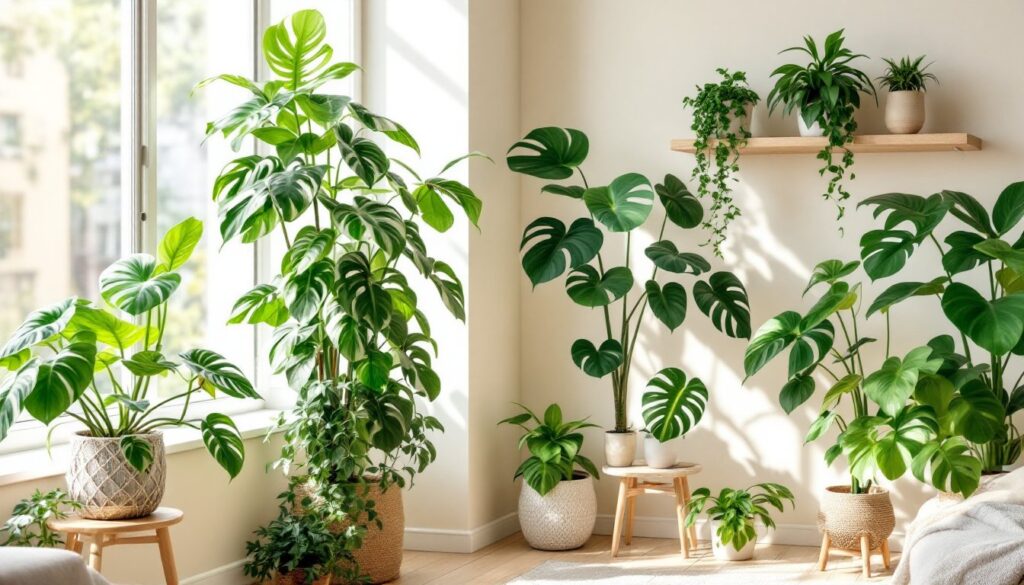
Indoor plants transform a home. They clean the air, brighten empty corners, and bring life to spaces that feel a bit too sterile or cold. Whether you’re a longtime plant parent or picking up your first potted friend at the garden center, the right plants make all the difference. This guide walks through the best house plants for virtually every situation, from dark bedrooms to sunny kitchens, from busy schedules to homes with pets underfoot. You’ll find practical options that actually survive neglect, thrive in tough conditions, and look good doing it.
Table of Contents
ToggleKey Takeaways
- The best house plants for beginners include low-maintenance options like snake plants, pothos, and ZZ plants that tolerate irregular watering and low light conditions.
- Low-light spaces benefit from shade-tolerant species such as cast-iron plants, peace lilies, and monsteras that thrive without direct sunlight.
- Air-purifying house plants like spider plants, pothos, and philodendrons filter toxins while adding visual appeal to any room in your home.
- Pet owners should verify plant safety with the ASPCA or Pet Poison Helpline database before purchasing, as many popular houseplants are toxic to cats and dogs.
- Proper watering, drainage, lighting, and humidity are critical fundamentals—overwatering is the leading cause of houseplant failure, so let soil dry slightly between waterings.
- Start with forgiving species and build confidence before attempting more demanding tropical statement plants like fiddle leaf figs or bird of paradise.
Low-Maintenance Plants for Busy Homeowners
Not everyone has time to fuss with plants. If you travel frequently, work long hours, or simply forget to water things, certain plants won’t hold it against you.
Snake plants (Sansevieria) are nearly indestructible. They tolerate irregular watering, low light, and temperature swings that would stress most plants. Water every 2–3 weeks, or even less in winter. Their upright, architectural leaves add a modern edge to any room.
Pothos, also called Devil’s Ivy, thrives on neglect. Hang it in a window or tuck it on a shelf and water when soil feels dry. It tolerates low light better than most vining plants and grows quickly enough to make you feel like a success.
ZZ plants (Zamioculcas zamiifolia) are equally forgiving. Their glossy leaflets catch light and their upright stems create structure without demanding attention. Water every 2–3 weeks: they prefer to dry out between waterings.
Castings or rubber plants need bright, indirect light to look their best but handle neglect better than finicky tropical varieties. Their large, waxy leaves are statement-makers in a living room.
These plants aren’t just survivors, they’re genuinely attractive. Place a snake plant on a shelf, let pothos cascade from a bathroom shelf, and watch your space transform with minimal effort.
Best Plants for Low-Light Spaces
Dark hallways, bathrooms without windows, and basement dens challenge most houseplants. Fortunately, a few species actually prefer dim conditions or at least tolerate them gracefully.
Low-light house plants are specifically adapted to thrive with minimal direct sunlight. Pothos and snake plants (mentioned above) work here too, but cast-iron plants, as their name suggests, are genuinely tough. They grow slowly in low light but won’t die or turn yellowed and droopy.
Monsteras (Swiss cheese plants) tolerate medium to low indirect light, though they grow faster with brighter spots. Their iconic split leaves add drama even in shadowy corners.
Peace lilies adapt to indoor office lighting and actually flower indoors under the right conditions. Their deep green leaves and elegant white spathes (the white part isn’t a flower: it’s a modified leaf) soften dark spaces. They’re also forgiving about watering, they’ll visibly droop when thirsty, then perk up after a drink.
Aglaonemás (Chinese evergreens) come in dozens of leaf patterns from solid green to silvery or pink-tinged varieties. They tolerate low light and irregular watering, though they prefer consistently moist (not wet) soil.
Plant these in north-facing rooms, entryways without windows, or next to interior walls. They won’t explode with growth, but they’ll stay alive and look respectable.
Air-Purifying Plants That Double as Décor
The idea that houseplants purify indoor air gained traction after NASA studies in the 1980s. While modern research shows the effect is modest (you’d need an impractical number of plants to noticeably improve air quality), certain species do filter toxins and add oxygen. More importantly, they’re beautiful.
Spider plants are prolific air-purifiers with arching leaves that soften shelves and bureaus. They’re nearly impossible to kill and produce “babies” (plantlets) you can propagate and share or spread throughout your home.
Snake plants emit oxygen at night, making them excellent for bedrooms. They’re elegant, structural, and genuinely functional.
Ficuses (weeping figs, rubber plants, and others) are strong air-purifiers if given bright, indirect light. They’re larger investments than smaller houseplants, but their substantial foliage makes a visual impact.
Pothos filters formaldehyde and other common indoor air pollutants. Train it up a moss pole or let it trail from shelves. Its vining habit covers vertical space efficiently.
Philodendrons (heart-leaf and other varieties) are similar air-cleaning powerhouses. They’re often confused with pothos because they look similar and perform similarly, tolerating low light and irregular watering.
Place these throughout your home. A spider plant in the kitchen, snake plants in bedrooms, and a trailing pothos in the living room create a cohesive, healthy environment.
Tropical and Bold Statement Plants
If your space needs visual impact, a tall plant for a bare corner, something with dramatic foliage, or a species that makes visitors say “wow”, tropical statement plants deliver.
Monsteras are trending for good reason. Their massive, fenestrated (split) leaves make them Instagram-famous, and they’re surprisingly manageable indoors. They do need bright, indirect light to thrive and space to spread. Use a moss pole or trellis to train them upward.
Fiddle leaf figs (Ficus lyrata) are dramatic, statement-making trees with large, violin-shaped leaves. They demand bright, indirect light and consistent (not waterlogged) soil moisture. They’re finicky compared to snake plants, but their sculptural presence justifies the effort.
Viney house plants add vertical interest and softness to hard edges. Pothos, philodendrons, and newer varieties like string of pearls or string of hearts trail gracefully from hanging baskets or tall shelves.
Bird of paradise plants produce striking orange and blue flowers indoors if given plenty of light. They grow tall and require space, but their blooms are unlike anything else you’ll own.
Caladiums bring intense color to shaded spots with heart-shaped leaves in pink, red, white, and green combinations. They’re seasonal (dormant in winter) but make a dramatic summer statement indoors.
Statement plants reshape a room’s energy. A tall monstera in a corner, a trailing ivy cascading down a bookshelf, or a colorful caladium on a side table become focal points that anchor your décor.
Pet-Safe Plant Options
Cat and dog owners face a dilemma: houseplants and pets don’t always mix. Some plants are toxic, causing anything from mild stomach upset to serious poisoning. The good news is dozens of truly pet-safe options exist.
House plants poisonous to dogs is a critical research topic for pet owners. Lilies, sago palms, sago palms, oleanders, and autumn crocuses are dangerous. Thankfully, there are safe alternatives.
Spider plants are non-toxic to cats and dogs. Cats sometimes chew on their arching leaves (they’re mildly hallucinogenic to felines), so place them where your cat won’t obsess, but no harm comes from nibbling.
Calatheas (prayer plants) are entirely pet-safe and bring dramatic leaf patterns indoors. Their leaves fold up at night (hence the name), which fascinates both humans and curious pets.
Bamboo palms and parlor palms are safe for cats and dogs and bring tropical greenery indoors without the toxicity risk of some other palms.
African violets and gloxinias produce delicate flowers and are toxic-free. Keep them on shelves or window sills away from tail-wagging traffic.
Cardinal flower, petunia, and certain succulents like echeveria and haworthia are pet-safe. Check individual species before bringing anything home, toxicity varies even within plant families.
When in doubt, ask your veterinarian or cross-reference the ASPCA or Pet Poison Helpline databases. It takes a minute and protects your pet from an unnecessary trip to the emergency clinic.
Essential Plant Care Tips for Success
Beginner plant parents often fail not because they lack enthusiasm but because they skip foundational care steps. Here’s what actually works.
Lighting and location. Understand your home’s light. North-facing windows offer gentle, indirect light: south and west-facing windows provide intense direct sun. Observe your space over a few days before placing a plant. Most houseplants prefer bright, indirect light, near a window but not baking in direct afternoon sun, which can scorch leaves.
Soil and containers. Use well-draining potting mix, not garden soil. Potting soil contains perlite or coco coir to improve drainage. Containers need drainage holes: water sitting in soil root-rot kills more plants than underwatering. Terra cotta breathes: ceramic retains moisture longer. Match the pot to the plant’s water needs.
Watering, get this right. The number-one mistake is overwatering. Stick your finger 1–2 inches into soil. If it feels moist, wait. Most houseplants prefer to dry slightly between waterings. In winter, growth slows and water needs drop, often by 50%. Tap water works, but letting it sit 24 hours allows chlorine to evaporate if your plant seems sensitive.
Humidity and temperature. Most tropical houseplants appreciate humidity. Mist leaves occasionally, group plants together, or set pots on trays filled with pebbles and water (the pot sits on pebbles, not in water). Avoid cold drafts and heating vents. Most houseplants thrive between 65–75°F.
Feeding. During the growing season (spring and summer), feed monthly with diluted liquid fertilizer. Follow package directions, more isn’t better. In fall and winter, reduce feeding or stop entirely.
Pests and disease. Check new plants for spider mites, mealybugs, or scale before bringing them home. Indoor plant diseases range from fungal to bacterial: isolation is your first defense. Spray affected leaves with neem oil or insecticidal soap, following label directions. Improve air circulation to prevent fungal issues.
Propagation. Once you’ve got one thriving plant, reproduce it. Pothos and philodendrons root in water. Snake plant and certain succulents propagate from leaf cuttings. It’s satisfying, cost-free, and builds your collection.
Conclusion
The best house plants are the ones you’ll actually care for. Start with forgiving species, a pothos, snake plant, or ZZ plant, and build confidence. As you develop a feel for watering, light, and humidity, branch out to trickier specimens. Your home becomes an evolving space of greenery that reflects both your style and your commitment to living better. Plants transform rooms, improve air quality, and honestly, they’re good for your mental health. Begin with one. Then watch yourself reach for another.