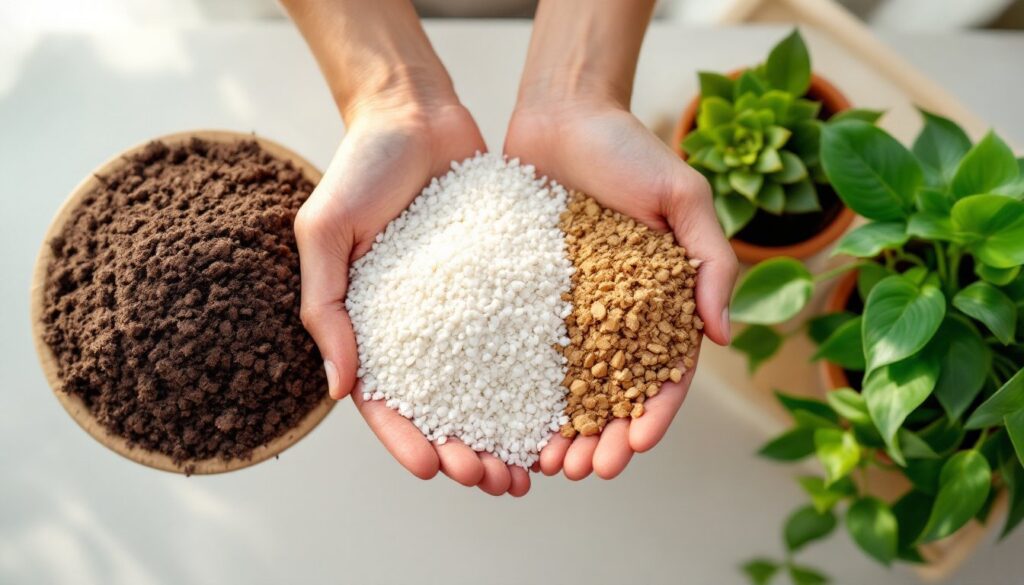
Getting indoor plants to thrive starts with one decision: soil. Many new plant owners grab whatever bag sits nearest at the garden center, then wonder why their monstera turns yellow or their succulents rot. The truth is, the best soil for house plants isn’t the same as outdoor garden soil, it needs a completely different mix. In 2026, whether you’re propagating cuttings on a windowsill or nursing a finicky ficus, understanding soil composition and drainage will transform your success rate. This guide walks you through soil basics, key components, and exact mixes for different plant types so you can skip the guesswork and keep your green friends healthy.
Table of Contents
ToggleKey Takeaways
- The best soil for house plants must be light and airy with good drainage, unlike heavy outdoor garden soil that traps moisture and causes root rot indoors.
- Indoor potting mixes work best with three key components: a base material (40–60%), drainage enhancers like perlite (20–40%), and moisture retention agents (5–15%).
- Tropical plants thrive in a balanced 40% peat moss or coco coir, 35% bark, and 25% perlite blend, while succulents require aggressive drainage mixes of 50% perlite to 60% drainage materials paired with minimal base soil.
- Test your current soil’s drainage by watering and observing if water flows through in 5–10 seconds; if it pools or trickles slowly, refresh with perlite or coco coir to lighten the mix.
- Repot house plants every 18–24 months with fresh potting mix, and annually refresh the top 2 inches of soil to prevent nutrient depletion and salt buildup without full repotting.
- Poor drainage symptoms like yellowing leaves, soft stems, or mold require changing the soil itself, not just adjusting watering habits, to address the underlying problem.
Understanding House Plant Soil Basics
Why Standard Garden Soil Doesn’t Work Indoors
Garden soil is heavy, compacted, and designed to hold moisture in outdoor beds where drainage happens naturally and air circulates freely. Indoors, that same dense mix traps water around the roots, leading to rot, fungal issues, and root-bound problems. House plant soil needs to be lighter and airier, think of it as a sponge that drains quickly but still hydrates roots when watered.
Indoor pots don’t have a ground table draining away excess water: all that moisture either stays in the soil or pools at the bottom. A proper indoor mix uses materials like peat moss, perlite, or coco coir to create air pockets. These components prevent the soil from compacting over time and allow oxygen to reach the roots. Most successful indoor gardeners use a blended potting mix rather than raw garden soil. When shopping, look for bags labeled “potting soil” or “potting mix,” not “topsoil” or “garden soil.” The distinction is crucial. Tropical plants, succulents, orchids, and vining plants all prefer this lighter approach, though the exact ratios differ based on the plant’s natural habitat.
Key Soil Components That Matter
A quality indoor potting mix typically contains three main ingredients working together: base material, drainage enhancers, and moisture retention agents.
Base Material (40–60% of the mix): Peat moss has long been the standard, holding moisture and nutrients while keeping the mix fluffy. But, coco coir, made from coconut husks, is an increasingly popular sustainable alternative that performs similarly. Some mixes use bark or aged compost as a base for plants needing extra drainage, like orchids.
Drainage Enhancers (20–40%): Perlite is a lightweight, porous volcanic glass that doesn’t break down, creating permanent air channels in the soil. Coarse sand or horticultural sand (never play sand) serves the same purpose. Some gardeners prefer pumice, which is heavier than perlite and won’t float to the soil surface when watering.
Moisture Retention (5–15%): Worm castings or bark compost add organic matter that holds water longer without creating anaerobic (oxygen-free) pockets. Avoid heavily nitrogen-rich materials: house plants in pots don’t need the fertility boost of garden compost and often perform better with lean mixes.
Read package labels to see the ingredient breakdown. A premium blend will list its components: a generic “potting soil” may hide inconsistent batches. The reason plant pots make a difference in plant health is partly because drainage holes allow this soil structure to work as designed. Without those holes, even the best mix fails.
Best Soil Mixes For Different Plant Types
Tropical And Foliage Plants
Monstera, pothos, philodendron, and ficus plants thrive in a balanced potting mix: 40% peat moss or coco coir, 35% bark or aged compost, and 25% perlite. This blend drains well while retaining enough moisture for frequent watering without risk of root rot. Tropical plants in their native forests grow on rich, organic forest floors and appreciate some nutrient content: the bark compost component mimics that. If you’re growing fragrant house plants indoors, many tropical varieties like jasmine and gardenias prefer this same mix.
For fast-growing vining plants, some gardeners add an extra 10% worm castings to support vigor. Repot every 12–18 months as the mix breaks down and compacts. Tropical plants generally prefer staying consistently moist (not soggy) and benefit from high humidity, so soil moisture management is less critical than it is for succulents, a richer mix works here.
Succulents And Cacti
Succulents and cacti demand aggressive drainage. They’ve evolved in arid climates where they store water in leaves and stems, and indoor soil must never hold standing moisture. A typical succulent-specific mix is 50% perlite or pumice, 30% potting soil, and 20% coarse sand or bark. Some growers go even more extreme: 60% drainage material to 40% base soil.
If you’re buying premade, succulent potting mixes are widely available and save blending time. Never use standard potting soil for cacti, the results are nearly always root rot, especially in winter when these plants rest and need minimal water. For expensive house plants that are succulents or cacti, this drainage mix is non-negotiable: a $50 aloe or rare echeveria deserves the right soil. Test the drainage by watering a pot and observing how quickly water drains through the drainage hole. If it pools, the mix is too dense.
How To Test And Improve Your Soil
Before investing in repotting soil across multiple plants, test your current mix’s performance. Water a pot and observe the drainage hole: water should flow through within 5–10 seconds. If it trickles slowly or pools, the soil is compacted or contains too much fine material.
A simple squeeze test reveals moisture retention: wet the soil, squeeze it hard, and release. If water drips, the mix is holding too much. If no water comes out, it’s too dry and likely has inadequate base material. A healthy mix will feel like a damp sponge, slightly moist but not soggy.
Fixing existing soil is often easier than repotting every plant. Mix store-bought potting soil with extra perlite (ratio 2 parts soil to 1 part perlite) to lighten a heavy mix. Add peat moss or coco coir to sandy mixes that dry too quickly. Fresh topsoil or worm castings layered on top of existing soil provides nutrients without full repotting. Resources like Gardenista’s soil guide detail how different soil types behave, which helps you diagnose problems.
Refresh the top 2 inches of soil annually to introduce fresh nutrients and prevent salt buildup from tap water and fertilizer. For viney house plants that stay in the same pot for years, this top dressing prevents nutrient depletion. Most house plants benefit from repotting every 18–24 months: use fresh mix during that refresh, not old soil reused multiple times.
Environmental factors matter too. Low light house plants struggle in overly rich, moisture-heavy soil because they photosynthesize slowly and use water more gradually. Pair your soil choice with your home’s light conditions and the plant’s watering needs. A plant on a north-facing windowsill needs different soil than the same species on a sun-soaked shelf. The Spruce’s gardening guides and Country Living’s plant resources offer species-specific soil and care recommendations if you’re starting with unfamiliar plants.
When plants show signs of poor drainage, yellowing leaves, soft stems, or mold on the soil surface, don’t just water less. Repot into a lighter mix. Changing only watering habits without fixing the underlying soil problem rarely solves the issue. A handy neighbor approach: test, diagnose, and fix with the right soil rather than guessing.
Keep Your Plants Thriving With The Right Soil Foundation
The best soil for house plants isn’t a one-size-fits-all product, it’s a thoughtful blend matched to your plant’s needs and your home’s conditions. Tropical plants want balanced nutrition and moderate moisture, succulents demand sharp drainage, and every plant benefits from soil that breathes. Start by understanding the three components (base, drainage, retention) and reading package labels, then adjust mixes based on how they perform in your specific environment. Your plants will respond quickly with greener leaves, faster growth, and fewer disease problems. Invest time in soil now, and you’ll spend far less time troubleshooting plant problems later.