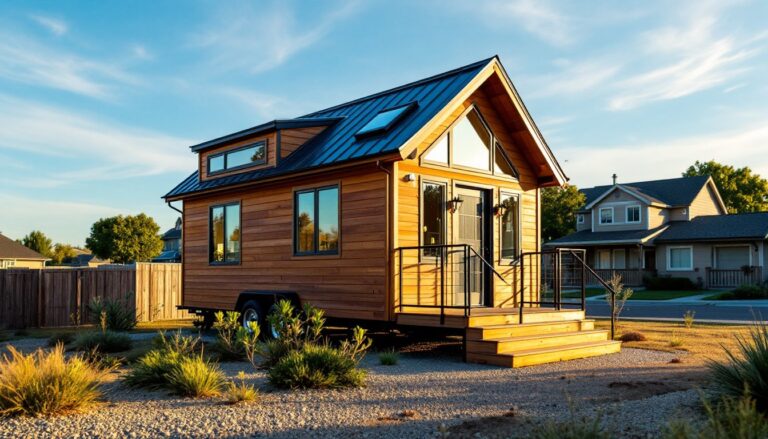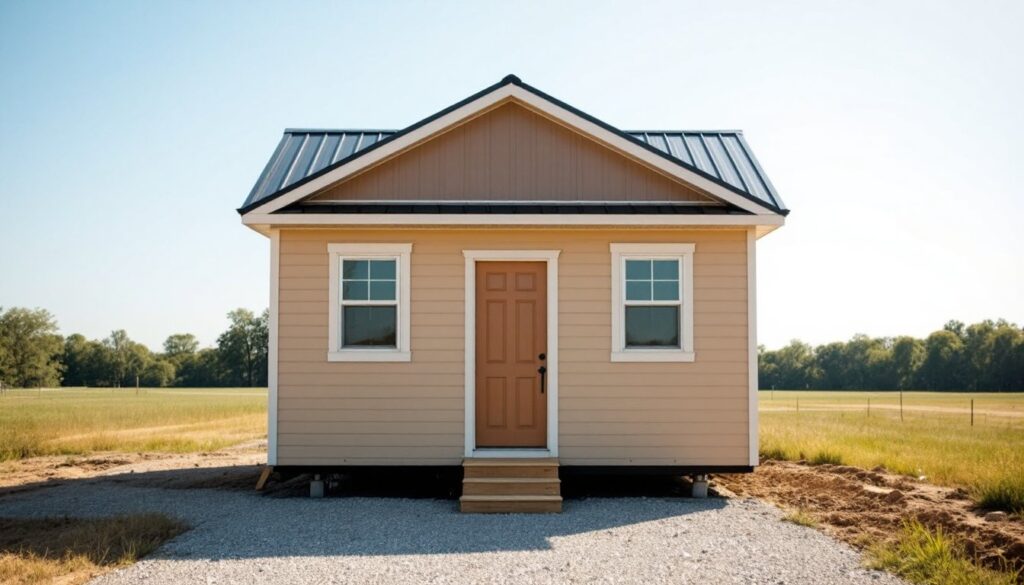
Tiny homes represent a major shift in how Hoosiers think about property ownership. Indiana’s affordable land, relatively relaxed zoning in rural areas, and growing demand for sustainable living have made the state a hotspot for tiny house buyers. Whether you’re looking to downsize, reduce your carbon footprint, or simply want a more manageable mortgage, tiny houses for sale in Indiana offer real alternatives to traditional single-family homes. This guide walks you through what to expect, where to look, and what pitfalls to avoid when shopping for a tiny home in the state.
Table of Contents
ToggleKey Takeaways
- Tiny houses for sale in Indiana cost $35,000–$150,000 with utility bills 50–70% lower than traditional homes, making homeownership more affordable for Hoosiers seeking to downsize or reduce environmental impact.
- Finding inventory requires searching beyond traditional MLS listings—use Facebook Marketplace, Craigslist, Tiny House Listings, and local builder portfolios, with Indianapolis, Greenwood, and rural areas offering the most availability.
- Indiana zoning laws are the biggest hurdle; rural areas are permissive while incorporated towns often enforce minimum home sizes of 1,000–1,200 square feet, so verify local regulations before purchasing land.
- Financing a tiny house on wheels is difficult and carries higher interest rates (6–10%) as RV or personal loans, while permanent foundation homes qualify for conventional mortgages closer to traditional rates.
- Professional home inspections, title clarification, and thorough due diligence on foundation type, insulation, and customization options are essential to avoid costly mistakes unique to tiny home construction.
- Indiana’s combination of affordable land, low property taxes ($0.85 per $100 assessed value), and relaxed rural zoning has positioned the state as a growing hub for tiny house buyers seeking sustainable, simplified living.
Why Tiny Homes Are Gaining Popularity in Indiana
Indiana’s real estate market has shifted quietly but significantly over the past five years. The combination of lower land costs compared to coastal states, reasonable property taxes, and an increasing number of buyers seeking affordable homeownership has made tiny houses an attractive option.
Many Indiana buyers are drawn to tiny homes because they can own a house outright or with a much smaller mortgage than a traditional home. A typical tiny house costs between $35,000 and $150,000 depending on finish quality and customization, while median home prices in Indiana cities like Indianapolis hover around $250,000. Utility bills drop dramatically, most tiny homes run $40–80 per month for heating and cooling compared to $150–250 for a standard three-bedroom.
Sustainability also plays a role. Tiny houses require less material, consume less energy, and reduce environmental impact. For Indiana homeowners tired of maintaining large properties or managing multiple bedrooms they don’t use, downsizing makes financial and practical sense.
The lifestyle appeal is real too. Tiny living forces intentional purchases and eliminates excess. It appeals to early retirees, young professionals without families, and empty nesters ready to simplify.
Where to Find Tiny Houses Available in Indiana
Finding a tiny house for sale in Indiana requires patience and knowing where to look. Unlike traditional homes, tiny houses aren’t listed uniformly across all MLS systems, so you’ll need to cast a wider net.
Facebook Marketplace and Craigslist remain surprisingly effective, many tiny house builders and private sellers post directly there. Dedicated tiny house marketplaces like Tiny House Listings and TinyHouseMarketplace.com aggregate inventory across the country, filtering by state and price. Real estate agents familiar with alternative housing are increasingly common in Indiana: ask for specialists in small homes or unconventional properties.
Builder inventory varies by season. Spring and summer see more movement as buyers actively search and sellers list. Attend tiny house expos, Indiana hosts several annually, where you can tour models, talk to builders, and understand what’s actually available in your budget.
Architects and designers like those at Timeless Tiny Homes in Brownsburg have portfolios showing finished projects and custom builds for local buyers. Check their reviews and past work to gauge quality and local knowledge.
Top Indiana Markets and Cities
Indianapolis remains the largest tiny house market, with the most builders, service providers, and established communities. Greenwood, Carmel, and Fishers have growing interest due to higher median incomes and more progressive zoning.
Rural areas like Brown County (near Nashville) and southern Indiana counties attract buyers seeking land and lower costs. Terre Haute, Kokomo, and Bloomington also see steady tiny home interest from university communities and environmentally conscious buyers.
Smaller towns like Pendleton and Westfield offer affordable land and quieter lifestyles but fewer builder options, you may need to custom-order or relocate a home from elsewhere. Research local zoning before committing: rural areas are permissive, but suburban communities often have minimum home size requirements.
What to Look For When Buying a Tiny House
Buying a tiny house requires the same due diligence as any real estate purchase, but with some unique considerations specific to the format.
Inspection is non-negotiable. Hire a home inspector experienced with tiny houses or mobile/manufactured homes if that’s the type you’re considering. Check the foundation, whether it’s on wheels, a permanent concrete pad, or a basement, and confirm it meets Indiana code. Check for water damage, roof condition, appliance function, and plumbing/electrical systems. Tiny homes in Indiana vary widely in build quality, from custom high-end builds to basic travel trailer conversions: you need to know what you’re getting.
Title and ownership are critical. If the tiny house is registered as a manufactured home, it may carry a title like a vehicle. Some are titled as real property. Clarify this with the seller and your real estate attorney before closing. Title issues create huge problems down the road.
Mobility matters if you’re considering a tiny house on wheels. Not all counties allow mobile homes permanently: some require annual permits or registration. If you want to move the home later, confirm the builder used proper construction (solid frame, properly secured systems) so relocation is actually feasible. A poorly built tiny house on wheels becomes a permanent fixture by default.
Essential Features and Customization Options
Layout efficiency is everything in a tiny house. Look for thoughtful space planning, lofted bedrooms, murphy beds, kitchen islands with storage, and built-in shelving. Poor layout makes 400 square feet feel cramped: smart design makes 400 square feet feel livable.
Appliances should be appropriately scaled. Full-size appliances in a tiny kitchen waste space: compact or apartment-sized units (smaller refrigerators, combination washer/dryer, convection microwave ovens) work better. Quality matters here, a broken refrigerator in a tiny house becomes a crisis fast.
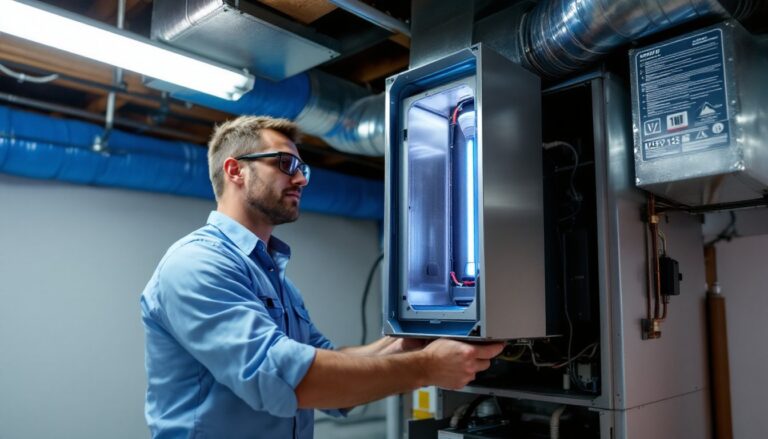
Insulation and climate control are often overlooked. Indiana winters are harsh. Check that walls are properly insulated (at least R-15, ideally R-21), windows are double or triple-pane, and the HVAC system is sized for the space. Poor insulation means high heating bills and condensation problems.
Customization options vary by builder. Some offer complete personalization, you pick finishes, layout, and systems from scratch. Others offer standard floor plans with limited upgrades. Custom builds take 4–8 months and cost more but give you exactly what you want. Stock models ship faster (2–3 months) but offer fewer choices. Budget accordingly and confirm timelines in writing.
Lofted sleeping areas require ladder or stair access. Make sure the access is safe and you’re comfortable climbing it regularly. Some lofts have 4–5 feet of headroom: measure to ensure you won’t be crawling.
Financing and Cost Considerations for Indiana Tiny Homes
Financing a tiny house is trickier than financing a traditional home, and it’s worth understanding your options upfront.
Banks often won’t finance tiny houses on wheels as real estate because they’re registered as personal property or vehicles. You may need an RV loan, personal loan, or dealer financing, which typically carry higher interest rates (6–10% versus 4–6% for mortgages). Some credit unions are more flexible: ask directly about tiny home loans.
Tiny houses on permanent foundations (with real property titles) are easier to finance conventionally. Rates and terms approach standard mortgages, though some lenders still hesitate if the home is under 400 square feet. Shop around, credit unions, community banks, and online lenders have different criteria.
Down payment expectations run higher. Many lenders require 20–25% down for unconventional properties, versus the 3–5% possible with FHA loans on traditional homes. Plan on having solid savings before pursuing financing.
Total cost in Indiana typically breaks down as follows: the tiny house itself ($50,000–$120,000), land if you’re buying separately ($10,000–$50,000+ depending on location), site prep and foundation ($5,000–$15,000), permits and inspections ($1,000–$3,000), and closing costs (2–5% of purchase price). Don’t underestimate site prep, clearing, leveling, driveway, utilities hookup, and drainage systems add up fast.
Insurance costs are moderate but vary. Tiny houses on permanent foundations are insured like regular homes. Tiny houses on wheels may need RV insurance, which is cheaper but offers less protection. Get quotes before committing.
Propertytax in Indiana averages around $0.85 per $100 of assessed value, relatively low nationally. A tiny house valued at $75,000 would incur roughly $625 annually, though this varies by county. Some counties assess tiny homes more favorably than traditional homes due to lower overall value: others don’t distinguish.
Zoning Laws and Regulations You Need to Know
Zoning is the single biggest hurdle for tiny house buyers in Indiana. The state doesn’t prohibit tiny homes, but local ordinances do.
Rural unincorporated areas are most permissive. County regulations often allow homes as small as 600–800 square feet with minimal restriction. But, some rural counties require minimum lot sizes (1–5 acres), setback distances, and septic/well installation. Read the county ordinance before buying land.
Incorporated towns and suburbs typically enforce minimum home sizes of 1,000–1,200 square feet. Many still prohibit mobile homes or anything “non-conventional.” Indianapolis has been gradually relaxing restrictions, but neighborhoods within the city still vary. Carmel and Fishers have more flexibility than some older suburbs. Always check with the local planning and zoning office before committing.
Minimum lot sizes matter. Even if a tiny house is allowed, you may need a lot of at least 0.25 or 0.5 acres. Tiny houses on permanent foundations are treated like regular homes: tiny houses on wheels often face stricter rules or are prohibited outright.
Permits and inspections are required in most Indiana jurisdictions if the home is permanent. If you’re placing a tiny house on your own land, the local building department issues a permit (cost: $200–$500), and an inspector signs off on foundation, electrical, plumbing, and structural work. This protects you and ensures the home meets code.
HOAs add another layer. If your tiny house is in a deed-restricted community, the HOA may prohibit homes under a certain size. Read CC&Rs carefully: an HOA can reject your purchase even if the city allows it. Call the HOA president or review minutes to confirm they’ve approved similar homes.
Internet resources like Dwell and Curbed discuss zoning trends and showcase tiny homes in various markets, though you’ll need to dig into your specific jurisdiction’s code. Contact your local planning department directly, most staff are helpful and will tell you straight whether your tiny house idea is viable on your preferred lot.
Moving Forward with Your Tiny House Purchase
Buying a tiny house in Indiana is achievable if you do your assignments. Visit models in person, get professional inspections, understand your local zoning, and be honest about your financing options before you commit. The tiny house movement is real in Indiana, and the inventory is there, you just need to search beyond traditional channels and ask the right questions. Start by contacting local planning departments and connecting with experienced builders. The right tiny home at the right price in the right location can deliver genuine lifestyle and financial benefits.