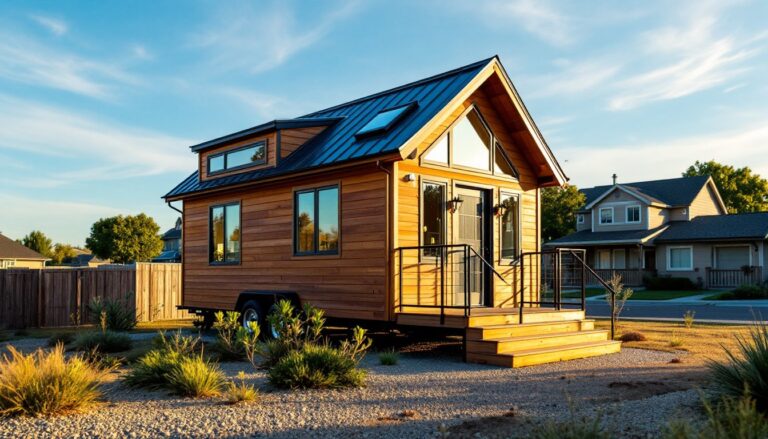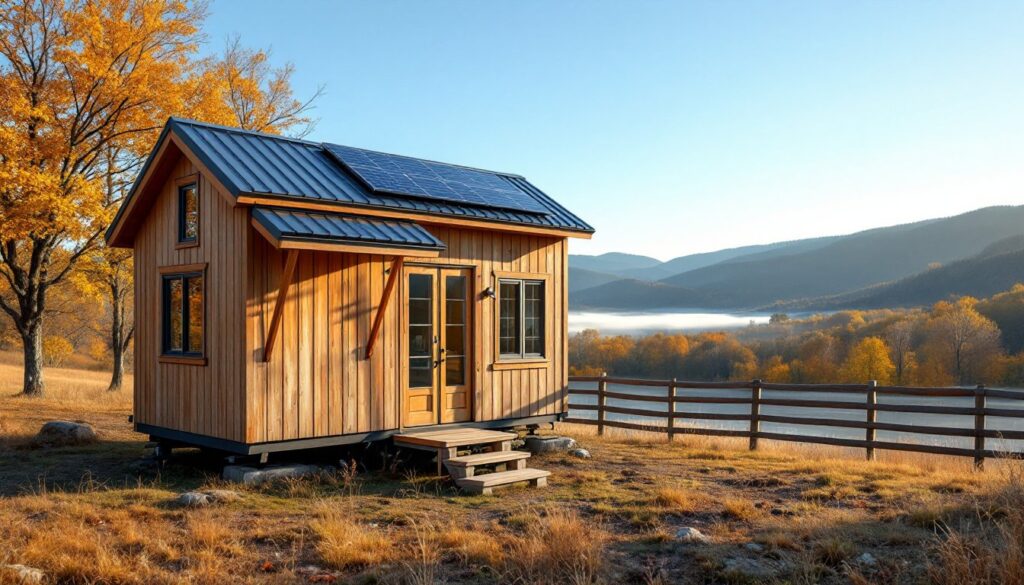
Vermont’s combination of natural beauty, community values, and lower cost of living compared to neighboring states has made it an increasingly attractive destination for tiny house buyers. Whether you’re seeking financial freedom, a smaller environmental footprint, or a simpler lifestyle, the Vermont tiny home market offers real opportunities. Unlike trendy articles that romanticize downsizing, this guide cuts straight to what you need to know: where to find tiny homes for sale in Vermont, what they actually cost, what legal hurdles exist, and how to make a practical decision in 2026’s shifting market.
Table of Contents
ToggleKey Takeaways
- Vermont’s combination of affordable land, strong environmental values, and pragmatic municipal attitudes makes it an ideal destination for tiny house buyers seeking financial freedom and sustainable living.
- Current prices for tiny homes for sale in Vermont range from $85,000–$150,000 for mobile homes and $120,000–$250,000 for permanent foundation builds, with tight inventory requiring 6–18 months for custom orders.
- Permanent foundation designs are increasingly preferred over trailers because they offer better financing options, lower insurance costs, and improved property appreciation potential.
- Insulation (R-21+ walls, R-38+ ceiling), proper HVAC sizing, freeze-resistant plumbing, and 100-amp electrical service are critical features to evaluate in any Vermont tiny house purchase.
- Conventional mortgages for tiny homes require IRC code compliance, a foundation, certificate of occupancy, and typically a $50,000–$75,000 minimum appraisal, while RV-financed trailers carry higher interest rates and shorter loan terms.
- Before committing to any tiny house for sale in Vermont, contact your local town planning board in writing to confirm zoning compliance, visit homes in winter conditions, and consult with attorneys experienced in tiny home regulations.
Why Vermont Is Becoming A Tiny House Haven
Vermont’s appeal to tiny house seekers rests on three concrete factors: affordability relative to the Northeast, strong environmental values that align with minimalist living, and a culture that doesn’t frown on unconventional housing. Land prices in rural Vermont remain substantially lower than Massachusetts or New York, and property taxes on smaller parcels reflect that difference. The state also has a long tradition of owner-built and off-grid homes, particularly in areas like the Northeast Kingdom, meaning municipal attitudes toward alternative housing tend to be pragmatic rather than restrictive.
Climate is another draw. Vermont’s four seasons appeal to people who want distinct seasons without the extreme heat of the South. Heating costs in a well-insulated tiny house can actually be lower than in a standard home, though insulation quality matters enormously in winter. Also, Vermont’s rural character means you’re not fighting urban zoning codes designed for 1950s suburban sprawl, though you’ll still need to check local bylaws, as zoning varies town by town.
The tiny house movement itself has matured. Early adopters proved the concept works: now buyers come with clearer expectations rather than idealism. They know about trailer regulations, know they need proper permits, and understand that a 240-square-foot home requires deliberate design choices. This maturity has attracted builders and dealers who take the work seriously.
Current Tiny House Market Trends In Vermont
As of early 2026, Vermont’s tiny house market reflects broader regional patterns. Prices for move-in-ready tiny homes on wheels range from $85,000 to $150,000, depending on finishes and included systems. Tiny homes on permanent foundations, which often command higher prices but offer better financing options, run $120,000 to $250,000 in Vermont. These figures represent a modest increase from 2024, driven partly by material costs and partly by stronger demand.
Inventory remains tight. Unlike states with established tiny house communities, Vermont doesn’t yet have dozens of homes listed at any moment. Builders typically operate on custom orders rather than spec builds, meaning your timeline stretches to 6–18 months from design to occupancy. This is important: if you’re hoping to move quickly, you’ll likely need to purchase an existing home rather than commission a new build.
One notable trend is the shift toward permanent foundations and village models rather than RV-style trailers. Homes on trailers appeal to people who want mobility, but many Vermont buyers, particularly those planning to stay, prefer the stability and financing accessibility of a foundation-based property. Several municipalities now accept tiny homes as primary residences if they meet IRC (International Residential Code) standards, which has expanded the legal market considerably. Research shows that properties designed to remain stationary typically appreciate better and offer lower insurance costs.
Where To Find Tiny Homes For Sale In Vermont
Finding available tiny homes for sale in Vermont requires patience and a mix of strategies. Traditional real estate websites like Zillow and Realtor.com list some properties, though filtering for “tiny house” often returns small cottages rather than true compact homes. Specialized platforms including TinyHouseListings.com and Airbnb (for resale-ready properties) sometimes feature Vermont inventory, though turnover is slow.
Your best bet is contacting builders and dealers directly. Companies like Vermont Tiny Homes and several others maintain waiting lists and can discuss custom builds. Attend the Northeast Tiny House Expo (held annually in Massachusetts but draws Vermont buyers and builders) to network and see finished models. Driving rural roads in regions like Addison County, Lamoille County, and Rutland County often reveals unfinished or for-sale-by-owner homes that don’t hit major listing sites.
Check with town select boards and planning offices, especially in progressive communities like Stowe, Montpelier, and Brattleboro, where bylaws have been updated to accommodate tiny homes. Local real estate agents in smaller towns may know about homes before they’re formally listed. Real estate publications that cover architectural trends and modern living, like Dwell, frequently feature Vermont projects and designers who specialize in compact homes.
What To Expect In Terms Of Price And Location
Location deeply affects cost. A tiny home in or near Stowe (a tourist destination) will run significantly more than one in Orleans County. Proximity to hiking, ski areas, and college towns (Middlebury, Montpelier, Burlington) commands a premium. A restored tiny home 5 miles outside a town might cost $135,000: the same home on a desirable street could be $180,000+.
Land purchase adds another layer. If you’re buying an existing home on land, budgeting $120,000–$200,000+ is realistic in desirable areas. Rural properties with 5+ acres cost more in land but may allow off-grid systems and give you the option to build or expand later. Properties near town sewer and water systems cost less overall but restrict customization. Factor in property taxes: Vermont averages around 1.9% of home value annually, which on a $150,000 property means roughly $2,850 per year. This varies by municipality, so request a tax assessment from the town where you’re looking.
Key Features To Look For In A Vermont Tiny House
When evaluating a specific tiny home for sale, several non-negotiables emerge. Insulation is paramount in Vermont. Look for R-21 or higher in walls and R-38+ in the ceiling: anything less means brutal heating bills and potential ice dam issues. Ask whether the home uses spray foam or fiberglass, and inspect the attic or wall cavity photos if available. Vapor barriers and proper air sealing matter as much as insulation thickness.
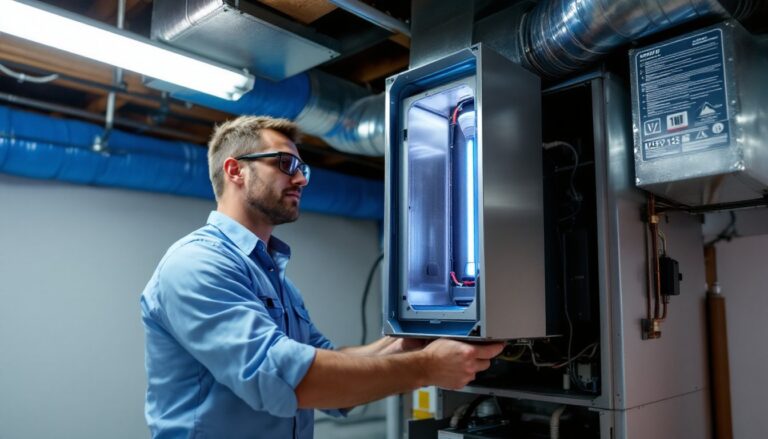
Systems deserve scrutiny. The HVAC setup, whether mini-split heat pump, traditional furnace, or radiant floor, should be sized for the space and the climate. Mini-splits are popular because they provide both heating and cooling without ducts, but installation costs run $3,000–$6,000. Hot water must be adequate for winter use: on-demand (tankless) systems save space but can struggle in cold weather if undersized. Plumbing: verify that all copper lines are insulated and that the system can handle freeze conditions, or that the home is designed for seasonal use or interior tank placement.
Electrical capacity should support modern life. A tiny home with only 60-amp service will struggle if you add an electric car charger or heat pump. 100 amps is more realistic for a permanent Vermont residence. If the home is off-grid, the battery bank, inverter, and solar array (or generator backup) must be sized correctly, this often costs $15,000–$30,000 and requires ongoing maintenance.
Finally, verify the legal status. Does the home meet IRC code as a permanent dwelling, or is it classified as an RV? Does it have a certificate of occupancy or final inspection? Can you get a mortgage on it? Some older tiny homes or owner-built units won’t qualify for conventional financing, which dramatically limits your buyer pool if you ever sell. Check with your bank or lender before signing.
Financing And Legal Considerations For Tiny Home Purchases
Financing a tiny house is trickier than buying a traditional home, so understand your options upfront. Conventional mortgages apply only to homes that meet IRC permanent-dwelling standards. Most lenders require a foundation (not a trailer), a certificate of occupancy, and a minimum appraised value (often $50,000–$75,000). If your desired home is on a trailer or lacks proper permits, you’ll pay cash or seek a personal loan, which means higher interest rates and shorter repayment terms.
RV-style tiny homes on trailers fall under RV financing, which is classified as an auto loan. Interest rates are typically 1–2% higher than mortgages, terms max out at 15 years, and insurance costs more. For a $100,000 RV-financed tiny home at 8%, you’d pay roughly $740/month over 15 years. Compare that to a $100,000 mortgage at 6% (if you qualify), which runs $600/month over 30 years. The financing structure alone can cost tens of thousands extra.
Permitting and legal status vary by town. Vermont requires building permits for any dwelling, and the home must pass electrical, plumbing, and structural inspections before occupancy. Some towns have explicitly updated bylaws to allow tiny homes (check the town plan or zoning ordinance): others tolerate them but don’t mention them explicitly. A few remain restrictive about dwelling size or density. Before purchasing land or selecting a home, contact the town planning board or zoning officer and ask: “Can a [240-sq-ft / tiny house on trailer / ADU] be permitted here?” Get the answer in writing.
On-grid vs. off-grid also matters legally. Off-grid systems must still pass inspections, and some towns cap the allowable off-grid capacity or require grid connection if available. Design, build, and document everything to code standards. Use modern home design resources like Homify to see how other builders have navigated permitting: many include project notes on legal hurdles. Finally, understand HOA restrictions if applicable. Some land communities welcome tiny homes: others prohibit them. Always review covenants before purchasing.
Making Your Tiny House Decision In Vermont
Deciding whether to buy a tiny house in Vermont is eventually personal, but ground it in practicality. Ask yourself: How long do you plan to stay? If it’s 5–10 years, the time to recoup renovation costs and overcome financing disadvantages might not materialize. If it’s a permanent move, a properly permitted home on a foundation makes financial sense. Are you buying primarily to own land, with the tiny home as a bonus? Then an off-grid or owner-built home might work even though financing headaches. Are you seeking the lowest possible cost of living? Then you need to factor not just purchase price but heating, property taxes, and ongoing maintenance.
Visit homes in winter, not summer. A tiny house is charming at 72°F with natural light streaming through every window. Put that same house at 8°F with snow blocking half the south-facing glass, and your perspective shifts. Spend a night if possible. Can you live with the noise isolation? The layout? The view from the kitchen? Remote work in that corner? Tiny house living amplifies design choices, there’s nowhere to hide inefficient space.
Connect with the tiny house community in Vermont and the broader Northeast. Online forums and Facebook groups for tiny home owners are filled with people who’ll tell you honestly what works and what doesn’t. Several finished tiny home communities exist in New England (Vermont’s are still emerging), and visiting one may clarify whether this lifestyle suits you. Finally, work with a real estate agent or attorney familiar with tiny homes and Vermont zoning. The additional cost is negligible compared to misunderstanding a permit requirement or financing term that blindsides you after purchase. The tiny house movement is real and viable in Vermont, just make sure your decision is based on knowledge, not fantasy.