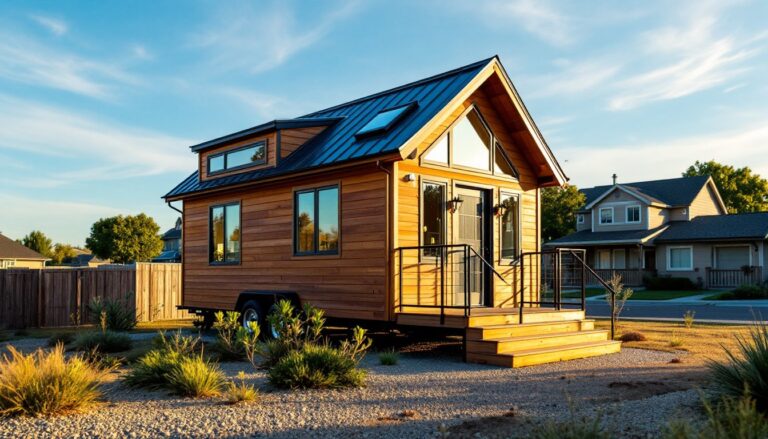
Buying a used tiny house on wheels is a real investment, whether you’re downsizing, seeking affordable housing, or chasing a more mobile lifestyle. Unlike a traditional home purchase, these units come with unique challenges: warranty gaps, hidden wear on moving systems, zoning complications, and mechanical quirks that don’t show up in a casual walkthrough. This guide walks you through the critical inspection points, where to source quality units, how to navigate legal requirements, and what realistic pricing looks like in today’s market. Armed with this knowledge, you’ll spot red flags before they become expensive repairs and make an well-informed choice on a used tiny house on wheels that actually meets your needs.
Table of Contents
ToggleKey Takeaways
- Inspect structural integrity, the steel chassis for rust and cracks, and undercarriage settling before purchasing a used tiny house on wheels, as water damage and frame deterioration are expensive to repair after purchase.
- Hire a professional RV or tiny house inspector to pressure-test plumbing, detect hidden moisture with meters, and test electrical systems—a $300–$600 inspection protects against far costlier repairs down the line.
- Used tiny houses on wheels typically range from $25,000 to $80,000 depending on brand, age, and condition, with a well-maintained 8×28-foot unit averaging $40,000–$60,000, so budget an additional 10–20% for post-purchase repairs.
- Before buying, confirm local zoning laws allow a tiny house on wheels at your address, as regulations vary by jurisdiction and deed restrictions or HOA bylaws may prohibit wheeled structures entirely.
- Verify the unit is insurable under specialized RV or manufactured home policies and request maintenance records from the seller, as lack of service history signals deferred maintenance and future problems.
What To Look For When Buying A Used Tiny House On Wheels
Structural Integrity And Foundation Condition
Start by examining the frame and walls for signs of water damage, mold, or soft spots in the wood. Press your fingers along interior and exterior walls, if they feel spongy or look discolored, there’s moisture inside. Check the roof seams, window frames, and door gaskets for gaps or caulking that’s cracked or missing. These are the first places leaks start, and they’re expensive to fix once water gets behind walls or into the subfloor.
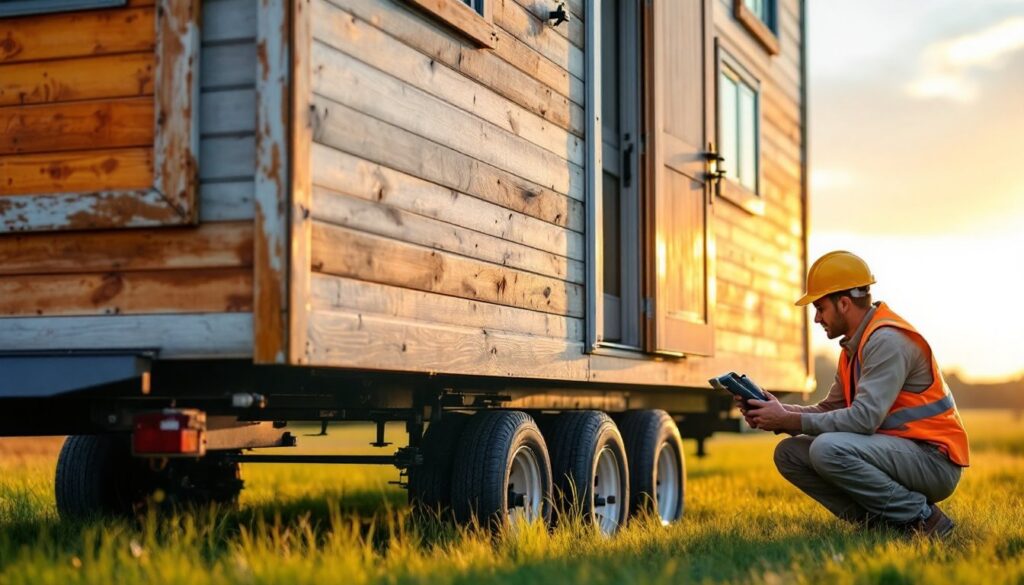
Inspect the steel chassis and hitch closely. Look for rust, corrosion, or visible cracks in the frame welds. The tongue (the hitch arm) and frame should show minimal rust, surface rust is normal, but deep pitting suggests the unit spent years exposed to salt or moisture. Axles and wheel components should be intact and functional: replace suspension components before towing if they show wear. Check that the leveling jacks operate smoothly: these hydraulic or mechanical systems degrade with age.
Also examine the skirting and undercarriage. Many tiny houses settle unevenly after years on the road. Walk around the unit and note whether it sits level or tilts noticeably. Minor settling is manageable with adjustable jacks, but severe tilting signals potential frame damage or water intrusion underneath.
Plumbing, Electrical, And Mechanical Systems
These systems are cramped in a tiny house and prone to freeze damage, corrosion, and wear. Run water from every faucet, hot and cold. Listen for any grinding sounds or smell any sulfurous odors, both signs of mineral buildup or bacterial growth in the lines. Flush toilets, check for leaks under sinks, and look inside cabinets with a flashlight for water stains or mold.
Request the electrical panel be tested by a qualified inspector. Tiny house wiring is often tight and custom, and DIY rewiring mistakes are common in used units. Ask the seller for documentation of any electrical work, unpermitted modifications are a red flag and a liability issue if you ever resell or relocate the unit. Test all outlets, lights, and appliances: if major items don’t work, you’ll absorb the replacement cost.
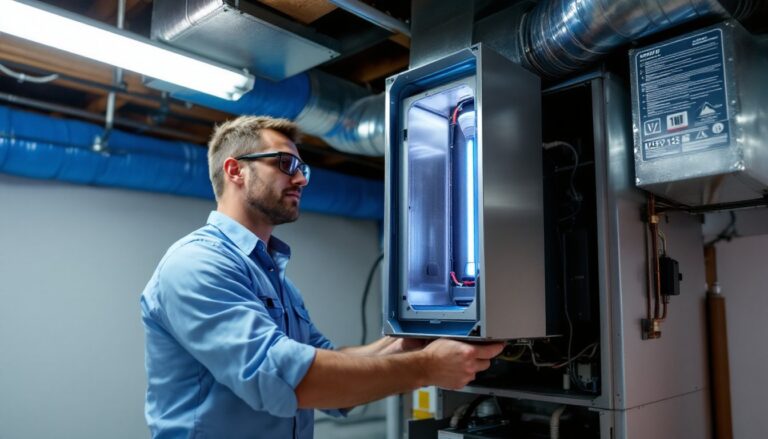
Check the propane and heating systems carefully. If the unit has a propane stove or furnace, have the propane lines inspected for leaks (use soapy water to detect bubbles around fittings) and the appliances vented properly. A faulty propane system is a serious safety hazard. Similarly, examine the HVAC or ventilation system, tiny houses can develop mold if condensation isn’t managed. Ask if the seller has records of service or repairs.
Where To Find Quality Used Tiny Houses On Wheels
Online marketplaces dominate the used tiny house market. Facebook Marketplace, Craigslist, and RVmonster list private sellers and dealers: always verify the seller’s history and ask for detailed photos from multiple angles and dates. Some builders like Tumbleweed Tiny Homes or New Frontier offer certified pre-owned units with warranty backing, these cost more but reduce risk.
Specialized tiny house brokers have emerged in the past few years: they vet units, handle inspections, and sometimes offer financing. A broker typically marks up the price 5–15%, but the vetting work can save you from a lemon.
RV dealers sometimes carry tiny houses or offer similar units. A tiny house on wheels is technically an RV in most jurisdictions, so licensed RV dealers are bound by consumer protection laws in many states, a small advantage if disputes arise. Real estate marketplaces like Zillow occasionally list tiny homes for sale: filter by “mobile” or “manufactured” to find wheeled units. Tiny house communities also sell directly: ask local communities if they have turnover listings or referrals to reputable sellers.
Compare listings on small space living platforms for design inspiration on what features actually work in compact layouts, then hunt for units that match those principles.
Budget Considerations And Pricing Insights
Used tiny houses range from $25,000 to $80,000+, depending on age, condition, size, and finishes. A well-maintained 8×28-foot unit from a reputable builder typically sits in the $40,000–$60,000 range. Older or smaller units, or those with cosmetic wear, may drop to $25,000–$35,000. New custom builds exceed $100,000, so buying used offers real savings if you’re patient.
Factors that drive price: brand (Tumbleweed, Tiny Heirloom, and New Frontier command premiums), build year, appliance quality, whether systems have been recently serviced, and local demand. Units in high-cost-of-living areas or near tiny house communities sell faster and retain value better.
Budget for post-purchase repairs and customization. Most used units need some work, resealing windows, replacing worn gaskets, fixing minor electrical issues, or updating a dated kitchen. Set aside 10–20% of purchase price for immediate repairs you discover during inspection. If you’re financing, factor in that lenders view tiny houses as higher risk: interest rates may be 1–2% higher than traditional mortgages, and down payments often require 20% or more.
Don’t low-ball aggressively. Fair offers lead to honest sellers willing to disclose problems: sellers under pressure tend to hide issues or sell quickly and disappear.
Legal Requirements And Zoning Before You Buy
Before making an offer, contact your local planning or zoning department and ask directly: “Can I legally place and live in a tiny house on wheels at [your address]?” Zoning rules vary wildly. Some jurisdictions allow them in rural areas but ban them in cities: others require a permanent foundation even for wheeled units. Some require licensing and registration as RVs, others treat them as manufactured homes with stricter code compliance.
Check whether the property itself allows mobile homes. Deed restrictions, HOA bylaws, or local ordinances may prohibit wheeled structures outright. Clarify whether a land lease covers a tiny house or if you must own the lot. Parking a unit long-term on someone else’s property (even family) without explicit zoning approval invites code enforcement action.
Understand the permitting and inspection process for your jurisdiction. Some areas mandate a foundation inspection, electrical inspection, or plumbing sign-off before you occupy the unit. These inspections cost $200–$500 each and take time. Others have no formal process, a significant risk factor because unpermitted units are harder to insure, finance, or sell later.
Finally, confirm insurance eligibility. Standard homeowners policies rarely cover tiny houses on wheels: you’ll need specialized RV or manufactured home insurance. Quote this before buying: if a unit is uninsurable (old, non-compliant, or damaged), it’s worthless to you regardless of purchase price.
Inspection Tips To Avoid Costly Mistakes
Hire a professional inspector experienced with RVs or tiny houses, don’t rely on a traditional home inspector unfamiliar with mobile units. The inspector should use moisture meters to detect hidden water intrusion in walls and floors, pressure-test plumbing lines, and test all 120V and 240V circuits. Expect to pay $300–$600 for a thorough inspection: it’s the cheapest insurance against a $50,000 mistake.
Request a pre-purchase walkthrough where the seller demonstrates all systems: appliances, water heater, furnace, propane, brakes, and lighting. Watch them operate. Ask about maintenance records, service receipts for roof resealing, plumbing repairs, or appliance replacements prove the unit was cared for. If a seller can’t (or won’t) produce records, assume deferred maintenance.
Test the towing and mobility systems personally if possible. Check the tire tread (should be 6/32″ or deeper for safe towing), brake fluid condition, and hitch coupler functionality. Ask about the dry weight and GVWR (Gross Vehicle Weight Rating), if you don’t own a heavy-duty truck, a 14,000-pound unit is immobile for you.
Walk the perimeter with the seller present and document visible defects with photos and dates. Use a level on floors inside and out: a 2–3-degree tilt is normal, more than that warrants investigation. Open and close all doors and windows: sticky or loose hinges are cheap fixes, but they reveal how the unit’s been treated. Don’t skip the mundane: check cabinet latches, door seals, and appliance handles. They tell you whether the previous owner was gentle or rough on the space.