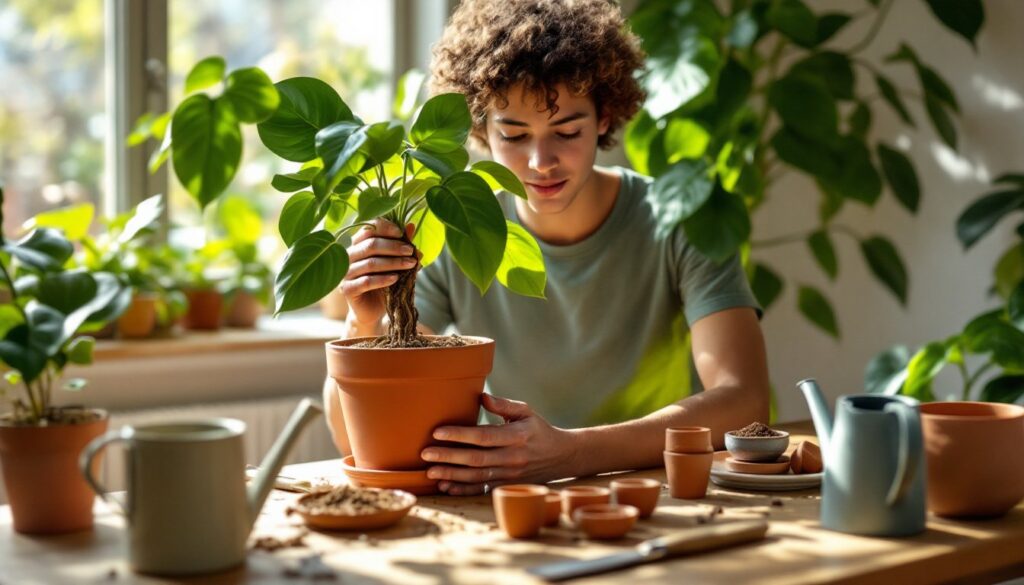
Most homeowners keep indoor plants without ever thinking about when to repot them, until the plant stops thriving. Knowing when to repot indoor plants is one of the simplest ways to prevent root-bound conditions, nutrient deficiencies, and stunted growth. Unlike outdoor gardens, indoor plants live in a confined space, and the soil eventually depletes or the roots fill the entire container. Repotting isn’t complicated, but timing matters. Move too early and you waste effort: wait too long and you’ll watch your favorite fiddle leaf fig or pothos decline. This guide breaks down the signs to watch for, the best seasons to act, and how often different plants actually need this refresh.
Table of Contents
ToggleKey Takeaways
- Knowing when to repot indoor plants prevents root-bound conditions, nutrient deficiencies, and stunted growth by reading clear signals like roots emerging from drainage holes and yellowing leaves.
- Repot during spring through early summer when plants are in their active growth phase, as roots heal faster and recovery is strongest during this seasonal window.
- Check your plant’s roots yearly before the growing season—if roots fill the pot densely but soil is still visible, wait another month or two; if it’s mostly root, repot immediately.
- Fast-growing plants may need repotting every 12 months, while slow-growers like snake plants or ZZ plants only require it every 2–3 years depending on growth rate and environment.
- Always upsize your pot by only 1–2 inches in diameter and ensure the new container has drainage holes to prevent waterlogging and root rot.
Signs Your Plant Needs Repotting
Before you haul out a new pot, confirm your plant actually needs repotting. The most common mistake is repotting on a schedule rather than reading your plant’s behavior. Here are the unmistakable signals.
Roots Growing Through Drainage Holes
When roots start poking out of the bottom drainage holes, your plant has outgrown its home. This isn’t always an emergency, some roots naturally explore every available space, but it’s a strong indicator the soil is packed tight and water moves straight through without being absorbed properly. Gently slide the plant out of its pot and inspect the root ball. If roots form a thick, circular mat along the inside of the pot, it’s root-bound and needs upsizing immediately. If there’s still some loose soil visible and roots are just beginning to emerge, you have a window of a few weeks before you must act.
Another sign is when water poured into the top runs out the drainage holes in seconds without hydrating the soil. This “hydrophobic” effect happens when roots have replaced so much soil volume that water can’t penetrate and soak in.
Stunted Growth and Yellowing Leaves
If your plant has stopped growing even though adequate light and regular watering, root-bound stress is likely the culprit. The plant can’t absorb enough water or nutrients because the root system is cramped. Yellowing leaves that appear even though proper care often signal either overwatering (caused by poor drainage in a root-bound pot) or nutrient lockout. In a severely compacted root ball, indoor plant diseases are more likely to develop because stressed plants weaken and soil-borne pathogens thrive in dense, moist conditions.
Compare this to normal dormancy: some plants naturally slow or shed leaves in winter, which is seasonal and healthy. True stunting looks like a plant that should be growing but isn’t, new leaves that emerge are smaller than older ones, or growth simply halts for months.
Best Times to Repot Your Indoor Plants
Timing your repot maximizes recovery and encourages strong new root development. Most indoor plants bounce back fastest when repotted during their active growth phase.
Seasonal Timing for Different Plant Types
Spring through early summer is the universal sweet spot. As daylight lengthens and temperatures rise, plants naturally enter a growth surge. Roots heal faster, new growth appears within weeks, and the plant recovers from the stress of being disturbed. Late winter (February through March in most climates) is acceptable for fast-growers like pothos or philodendron, but wait until April or May for slower types like peace lilies or snake plants.
Avoid repotting in fall or winter. Growth slows dramatically, and roots take longer to establish in fresh soil. A plant repotted in November or December may sit dormant for months before showing new growth, and you risk overwatering because the roots can’t dry the soil out quickly enough.
Tropical plants (ficus, monsteras, anthuriums) prefer warmer conditions, so repot them once nighttime temperatures stay above 60°F consistently. Succulents and plants with thick, waxy leaves tolerate cooler repotting windows but still prefer spring. Understanding your plant pots and what conditions they provide also matters, plastic holds moisture longer, while terracotta dries faster, both influencing how quickly roots adjust after repotting.
Resources like Gardenista’s guide to repotting outline specific recovery windows for different species, which can help if you’re working with less common varieties. The Spruce also publishes detailed seasonal calendars broken down by region and plant type.
How Often Should You Repot
Repotting frequency depends entirely on the plant’s growth rate and your environment. There’s no one-size-fits-all schedule.
Fast-growing, young plants in ideal light and warmth conditions may need repotting every 12 months. Pothos, philodendrons, and aroids often need upsizing in spring and then again by late summer if they’re thriving. Medium-growers, like most ferns, calatheas, or prayer plants, typically go 18 to 24 months before outgrowing their pot. Slow-growers and mature plants (snake plants, ZZ plants, dracaenas) might only need repotting every 2 to 3 years, or even longer if they seem content.
When in doubt, check the roots. Knock the plant gently out of its pot once yearly (right before the growing season starts), peek at the roots, and decide. If roots fill the pot densely but soil is still visible, you have another month or two. If it’s all root and barely any soil, repot immediately. If there’s still loose soil and roots wander casually, leave it be.
One caveat: even if roots aren’t crowding, you can do a “refresher” repot every 2 to 3 years by replacing the top third to half of old soil with fresh potting mix. This replenishes nutrients and refreshes the root zone without upsizing the pot, useful for plants that are the right size but living in depleted soil.
Choosing the Right Container Size
Size matters more than most people realize. A pot that’s too large waterloogs the roots: one that’s too small defeats the purpose of repotting.
The golden rule is to upsize by 1 to 2 inches in diameter. If your plant is in a 6-inch pot, move it to an 8-inch pot. If it’s in an 8-inch, move to a 10-inch. This modest increase gives roots fresh soil to grow into without excess moisture sitting around the root ball. Going from a 6-inch straight to a 12-inch pot is overkill, too much damp soil, and the roots can’t access it all, leading to rot.
Always verify the pot has a drainage hole at the bottom. Without it, water pools and roots drown, negating the whole point of repotting. Multiple drainage holes are even better. If you love a pot that lacks drainage, nest a draining nursery pot inside it, roots grow in the inner pot, excess water drains, and you keep the aesthetic.
Material matters. Terracotta breathes and dries fast, ideal for succulents or plant parents who tend to overwater. Ceramic and glazed pots retain moisture longer, suiting thirsty plants. Plastic is lightweight, affordable, and retains moisture well, fine for most tropical houseplants. Better Homes & Gardens and similar sources often review container options, though remember that a functional pot beats a pretty one that lacks drainage.
Consider whether you’re repotting into indoor house plants in fish tank setups or traditional planters: aquatic or semi-aquatic systems have different drainage needs. Standard indoor potting always requires that bottom hole, though.