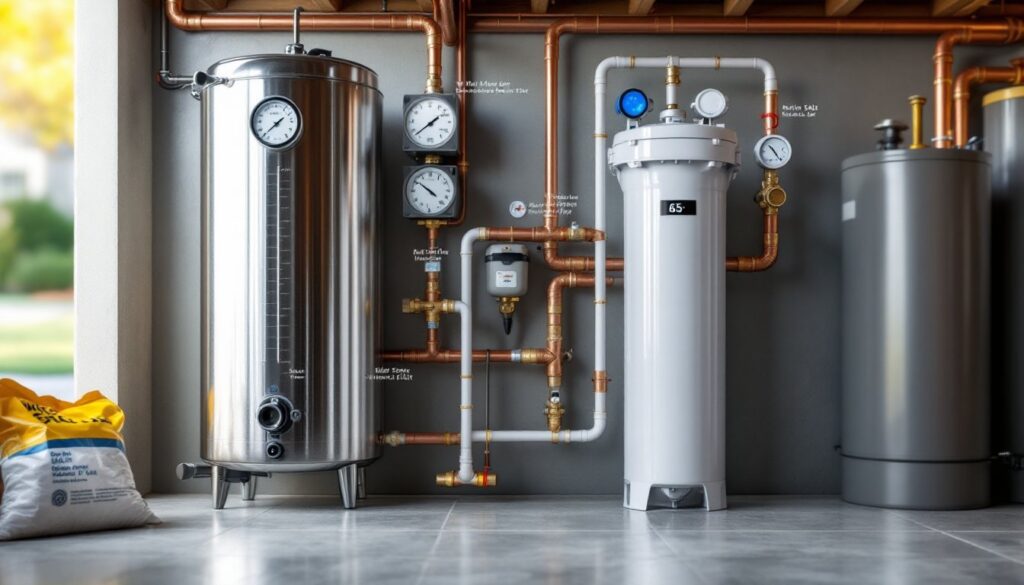
Hard water and contaminated tap water affect millions of homes across the U.S., causing spotty dishes, stiff laundry, and potential health concerns. A whole house water filter and water softener system addresses both problems at the source, right where water enters your home. Unlike point-of-use filters that only treat water in one fixture, these systems protect every tap, shower, and appliance. If you’re tired of dealing with mineral buildup, chlorine taste, or sediment in your water, this guide walks you through understanding, choosing, installing, and maintaining a whole house filtration setup. Whether you’re a confident DIYer or still weighing your options, you’ll find practical, no-nonsense advice here.
Table of Contents
ToggleKey Takeaways
- A whole house water filter and water softener system protects every tap and appliance by treating water at the main supply line, removing sediment, chlorine, and hardness minerals before they spread throughout your home.
- Installing a combination water filter and softener typically costs $2,000–$5,000 but pays for itself within 5–7 years through reduced appliance repairs, lower water heating bills, and decreased plumbing maintenance.
- Test your water hardness and daily usage before selecting a system, then choose between separate units for flexibility or a combo system to save space—both approaches require proper sizing to perform effectively.
- Maintain your system by replacing sediment filters every 3–6 months, carbon filters every 6–12 months, and adding salt to the softener brine tank every 4–8 weeks to ensure optimal performance and prevent costly breakdowns.
- Before starting DIY installation, verify local permit requirements, as many jurisdictions require licensed plumbers for water main modifications to avoid expensive fines and failed inspections.
Understanding Whole House Water Filters and Water Softeners
How Whole House Water Filters Work
A whole house water filter intercepts your incoming water supply before it branches to any fixture. Most residential systems use one or more of these filtration stages: sediment filters (to trap sand, rust, and particles), carbon filters (to remove chlorine, odor, and some chemicals), and sometimes specialized media for specific contaminants.
The water enters a large tank, passes through the filter media, and exits cleaner. These aren’t instant, flow rate matters. A typical 3-5 micron sediment filter removes visible particles, while activated carbon handles taste and odor. If your water source is well water or you’re concerned about bacteria, you might add a UV sterilizer or KDF filter. Installation happens at the main water line, so prep work includes locating shutoff valves and knowing your water pressure (usually 40–80 PSI).
What Water Softeners Do and Why You Need One
Water softeners tackle a different problem: hardness caused by dissolved calcium and magnesium minerals. Hard water isn’t unhealthy to drink, but it shortens appliance lifespan, leaves soap scum on fixtures, and makes detergent less effective. A softener swaps those minerals for sodium (or potassium, in some models) through an ion exchange process. The resin inside the tank gradually becomes saturated with calcium and magnesium and periodically “regenerates” using salt or potassium chloride to reset itself.
You’ll need to know your water hardness level (tested in grains per gallon or mg/L) and your daily water usage to size a softener correctly. A system that’s too small won’t keep up: one that’s oversized wastes salt during regeneration. Most DIY homeowners size based on household members and known hardness, though a simple water test (available at hardware stores for under $20) beats guessing.
Key Benefits for Your Home and Family
Installing a whole house water filter and softener combo delivers tangible returns that go beyond just better-tasting water. Soft water extends the life of water heaters, washing machines, and dishwashers by preventing mineral scaling, repairs that can easily exceed $1,500. Your skin and hair feel softer after showering, and dishes dry spot-free without that cloudy buildup.
Filtered water reduces sediment and chlorine throughout your home, meaning clearer water for cooking, cleaner laundry, and a noticeable improvement in how your morning coffee tastes. Homeowners also report fewer plumbing clogs caused by mineral deposits and lower detergent costs since soft water makes soap work harder. For families with young children or older adults, the peace of mind from removing potential contaminants is valuable. If resale value matters to you, a whole house system is an appealing feature to buyers, especially in areas with notoriously hard or poor-quality water.
The upfront cost, typically $2,000–$5,000 installed, usually pays for itself within 5–7 years through reduced appliance repairs, lower water heating bills, and less frequent plumbing maintenance.
Choosing the Right System for Your Needs
Before shopping, gather three critical pieces of data: your water test results, your household’s daily water usage (estimate: 50–100 gallons per person per day), and your water pressure. A DIY water test kit from any big-box store reveals hardness, pH, and sometimes chlorine levels. If your water comes from a well, also test for bacteria and iron.
Next, decide whether you want a separate filter and softener or a combo unit. Separate systems give you more flexibility and control but require more space under the sink or in a basement. Lab-tested whole house water filters from established brands show measurable contaminant removal and often come with independent certification from NSF International (look for NSF/ANSI certifications on the package). Combo units save space and simplify plumbing but may limit how you can customize each filtration stage.
Key specs to compare: filter replacement intervals (every 3–6 months is typical), salt usage per regeneration cycle (20–50 lbs for standard setups), and warranty coverage. Combination water filter and softener systems reviewed by professionals give you real-world performance and user feedback. Don’t just chase the lowest price: a cheap softener that needs constant resin replacement will drain your wallet faster than a slightly costlier, reliable option.
Installation Basics for the DIY Homeowner
Before you start, confirm you don’t need a permit. Many jurisdictions require licensed plumbers for water main work, especially if you’re modifying supply lines or cutting into existing plumbing. Check with your local building department first, fines and failed inspections cost far more than hiring a pro.
If you’re approved for DIY installation, you’ll need: an adjustable wrench, Teflon tape, pipe dope (thread sealant), a hacksaw or pipe cutter, and shutoff valves rated for your water pressure. Start by shutting off your main water supply and locating where the water line enters your home. This is almost always your best point for a whole house system, before any splits to fixtures.
Install a bypass valve alongside the filter/softener so you can service it without shutting down the whole house. Most combo or dedicated units come with detailed diagrams: follow them exactly. Connect inlet and outlet ports using appropriate NPT threads (not universal). Open shutoff valves slowly and check all connections for leaks. Run water through the system for 5–10 minutes to flush out manufacturing debris, which can clog faucet aerators.
Once plumbing is secure, follow the manufacturer’s instructions for initial system setup: charging the softener resin, setting regeneration cycles, and testing flow rate. Many systems auto-adjust: others require manual configuration. Top-rated whole house water filter systems include clear installation guides, but don’t skip reading yours, each brand has quirks.
Maintenance and Care Tips to Extend System Life
Regular upkeep keeps your system running efficiently and prevents expensive repairs. Filter replacement schedules vary by model and water quality, every 3–6 months for sediment, 6–12 months for carbon. Mark your calendar or set a phone reminder. Ignoring a clogged filter reduces flow, strains the softener, and eventually forces the system to bypass, defeating the whole purpose.
For softeners, add salt or potassium chloride to the brine tank every 4–8 weeks, depending on hardness and usage. Keep the tank at least one-third full: refill before it empties completely to avoid air pockets that interfere with regeneration. Check the manufacturer’s recommended salt type, rock salt is cheaper but contains more insoluble residue: solar salt or pellets dissolve more cleanly.
Monitor water pressure monthly if your system shows it. Pressure drops signal a clogged filter. If pressure climbs above your system’s rated range (usually 100+ PSI), install a pressure relief valve to protect pipes and appliances. Every 6–12 months, run a test cycle to confirm softener regeneration is working, look for brine line flow and listen for the characteristic cycle sounds. If regeneration sounds off, you might have resin bridging (salt crystallizing into a dome above the resin), which requires manual intervention per your manual’s troubleshooting section. Plan to replace the resin bed every 10–15 years, though high-quality resin can last longer in moderately hard water.