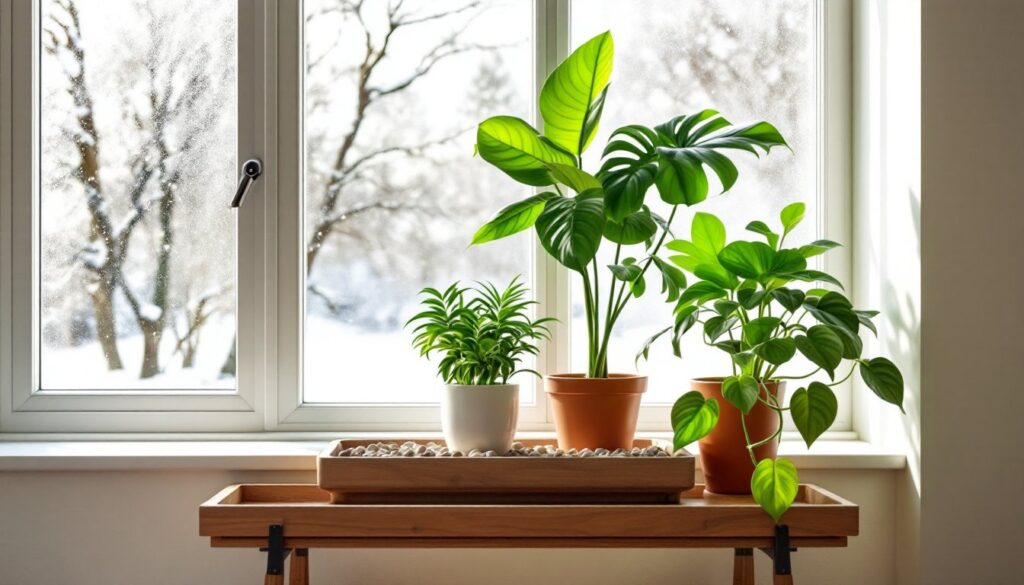
When the temperature drops and daylight shrinks, most people retreat indoors and forget about their plants. But winter is actually an ideal season to expand your indoor plant collection, and keep your existing greenery thriving. Winter indoor plants not only brighten gray, gloomy spaces but also improve air quality when outdoor plants have gone dormant. The lower light, cooler temperatures, and dry heating systems of winter create specific challenges, but they also match the dormant cycles of many houseplants perfectly. This guide walks you through selecting, placing, and caring for winter indoor plants so your home stays lush and vibrant until spring returns.
Table of Contents
ToggleKey Takeaways
- Winter indoor plants thrive during cooler months because lower temperatures and shorter days mimic the dormant cycles tropical plants evolved to prefer, reducing water and nutrient demands.
- Select shade-tolerant varieties like cast iron plants, ZZ plants, pothos, snake plants, and Chinese evergreens to keep your winter indoor plants healthy when natural light is limited.
- Reduce watering frequency to every 10–14 days and check soil moisture before watering, as overwatering is the #1 killer of indoor plants in winter due to risk of root rot.
- Place plants near south-facing windows and away from heat sources and cold drafts; maintain nighttime temperatures above 50°F and use pebble trays or grouping to combat dry heating air.
- Stop fertilizing during winter dormancy, skip repotting until spring, and inspect plants weekly for spider mites and pests that thrive in dry indoor conditions.
- Winter is the ideal season to expand your indoor plant collection and improve air quality as outdoor plants go dormant, creating a lush home until spring returns.
Why Indoor Plants Thrive During Winter
Winter sounds like the worst time for plants, shorter days, chilly temps, and blast-furnace heating all work against growth. Yet many houseplants actually prefer the cooler, slower season. Most tropical and subtropical plants evolved in environments with wet and dry seasons. Winter mimics the dry season in their native habitats, prompting a natural rest period that’s essential for flowering and renewed vigor in spring.
Lower temperatures (around 50–65°F at night) slow metabolism and reduce water and nutrient demand. This means less frequent watering, fewer fertilizer burns, and a lower risk of root rot, common culprits in over-eager indoor gardening. Indoor heating does dry out the air, but many tropical plants actually prefer humidity levels of 40–60%, which is lower than summer highs. Plants also respond to shorter photoperiods (daylight hours). While reduced light challenges some species, shade-tolerant varieties use this as a cue to enter dormancy, exactly what they need before a burst of spring growth.
The Best Winter Indoor Plants for Low-Light Conditions
Not all houseplants tolerate the dim corners and brief daylight of winter. Succulents and sun-worshippers will struggle, but shade-tolerant varieties thrive when placed strategically.
Cast iron plants (Aspidistra elatior) live up to their name, nearly indestructible in low light and cool temps. ZZ plants (Zamioculcas zamiifolia) handle neglect and shade with minimal fussing. Pothos (Epipremnum aureum) and philodendrons grow vigorously even in dim bedrooms, and they’re forgiving of sporadic watering. Snake plants (Sansevieria trifasciata) are slow-growing in winter but incredibly tolerant of both low light and dry air from heating systems.
For a touch more color, Chinese evergreens (Aglaonema) offer patterned foliage in reds, pinks, and silvers while thriving in indirect light. Parlor palms (Chamaedorea elegans) add tropical height to corners without demanding bright sun. These varieties share one trait: they all tolerate temperatures between 50–70°F and don’t drop leaves when daylight dips. Low Light House Plants: Transform Your Space with Effortless Greenery offers detailed guidance on optimizing dim spaces year-round.
Caring for Your Winter Houseplants: Light, Water, and Temperature
Winter plant care hinges on three factors: respecting dormancy, adjusting watering, and protecting from heating extremes.
Light is the trickiest variable. Move shade-tolerant plants to the brightest spot available, south-facing windows are ideal in the Northern Hemisphere. Even a few extra feet closer to a window boosts photosynthesis. If natural light is truly scarce, a simple 40–60 watt LED grow light set on a 10–12 hour timer works without overheating foliage. Avoid placing plants directly above heat registers or radiators: the warm, dry air stresses roots and invites spider mites.
Watering demands a shift. Plants in dormancy use far less water than spring and summer growth cycles. Check soil moisture before watering, stick a finger 1 to 2 inches into the pot. If it feels moist, hold off. Most winter houseplants need water only every 10–14 days, sometimes less. Overwatering is the #1 killer of indoor plants in winter: sitting in soggy soil in cool temps invites root rot and fungal disease. Use room-temperature water, never ice-cold from the tap, which shocks roots.
Temperature stability matters more than absolute warmth. Avoid placing plants near doors, windows, or heating vents where drafts and temperature swings stress them. Keep nighttime temps above 50°F for most tropical varieties: cold damage is permanent and fast. If your home dips below 55°F at night, move tender plants to warmer spots or cover with a lightweight frost cloth.
Managing Humidity and Indoor Heating Challenges
Winter heating systems suck moisture from the air, dropping humidity to 20–30%, far below most houseplants’ comfort zone. Dry air accelerates pest reproduction (spider mites thrive here) and causes leaf tips to brown.
Simple fixes work well. Group plants together so they share transpired water vapor. Place pots on a tray filled with pebbles and shallow water, the pot sits on the pebbles, not directly in water, so roots stay dry while humidity rises around foliage. How a Humidifier for covers mechanical options if clustering and trays aren’t enough. A basic ultrasonic humidifier near a cluster of plants raises ambient humidity without oversaturating the soil. Misting leaves helps temporarily, but don’t rely on it: the water evaporates fast and can promote fungal spots if leaves stay wet overnight.
Water your plants in early morning so any misted foliage dries quickly. Inspect undersides of leaves weekly for spider mite webbing or stippled damage, winter is peak season for indoor pest populations. Isolate infested plants immediately and treat with horticultural oil or neem spray according to label directions.
Creating the Perfect Spot for Winter Plant Growth
Location is half the battle. A plant in the wrong spot, even with perfect watering, will languish.
Windows are your best asset. South-facing windows (Northern Hemisphere) get 4–6 hours of bright indirect light even in winter. East or west-facing windows are secondary: north-facing windows are usually too dim unless you supplement with grow lights. Measure light with your phone if you’re unsure, many free light meter apps estimate lux levels. Aim for at least 200–500 lux for shade-tolerant houseplants: 1000+ for brighter-light varieties.
Avoid cold spots near exterior doors, windows, and uninsulated walls where plants sit in drafts and temperature swings. Avoid heat sources like radiators, baseboards, and vents: warm, dry air dehydrates foliage and soil faster than you can rehydrate them. Instead, place plants 3–4 feet away from heat sources, in ambient room temperatures.
Elevation matters too. Shelves and plant stands at eye level are ideal, they distribute heat more evenly and simplify inspection for pests and watering signs. Avoid the floor near exterior walls (cold) and tabletops directly above heaters. Plant Pots: Discover the explains how pot size and drainage holes affect soil moisture retention in winter. Terracotta breathes and dries faster than plastic or ceramic: in winter, this can be a drawback since soil dries out quickly. Glazed ceramic or plastic pots retain moisture longer, which suits winter’s reduced watering frequency.
Consider grouping plants by care needs. Shade-tolerant species clustered in one corner simplify monitoring and bump humidity. Water-sensitive plants go in pots with drainage holes to minimize rot risk.
Seasonal Adjustments to Your Plant Care Routine
Winter demands a full reset of your plant care schedule compared to spring and summer.
Fertilizing should stop or drop dramatically. Most plants enter dormancy in winter and don’t need extra nutrients: feeding dormant plants wastes fertilizer and can burn roots in cold, moist soil. Resume full-strength fertilizing in March or April when new growth appears. If you notice pale or yellowed foliage mid-winter, a diluted (half-strength) liquid fertilizer applied once helps, but most winter yellowing is normal dormancy, not starvation.
Pruning is best done in late winter (February–March) just as days lengthen. Remove dead or yellowed leaves and stems to redirect energy to healthy growth. Don’t remove healthy foliage: plants in dormancy rely on existing leaves to photosynthesize with scarce light.
Repotting should wait until spring. Root activity in winter is minimal, and repotting stresses the plant. If roots are circling densely in the pot, note it and repot once warm weather and longer days return.
Pest and disease monitoring intensifies in winter. Spider mites, mealybugs, and scale thrive indoors when heating dries the air. Essential Guide to Indoor details diagnosis and organic treatments. Inspect plants weekly, especially undersides of leaves. Isolate infested plants immediately to prevent spread. Use insecticidal soap or neem oil every 7–10 days until pests are gone. Overwatering compounds fungal and bacterial issues, so tighter watering control also prevents disease.
External resources like Gardenista’s winter houseplant tips and The Spruce’s seasonal guides offer additional seasonal strategies and troubleshooting.
Conclusion
Winter indoor plants aren’t a second-best substitute for outdoor gardening, they’re a deliberate shift in strategy. By choosing shade-tolerant varieties, adjusting watering and light, managing humidity, and respecting dormancy, you’ll keep your home vibrant all season. The payoff is a thriving indoor garden that greets spring with renewed energy and healthier foliage than plants pushed too hard year-round. Start with one or two hardy varieties, nail the basics, and expand your collection next winter with confidence.